Intel Sold Its NAND Memory Business for $9 billion; Micron Now Worth More Than Twice Intel’s Market Cap
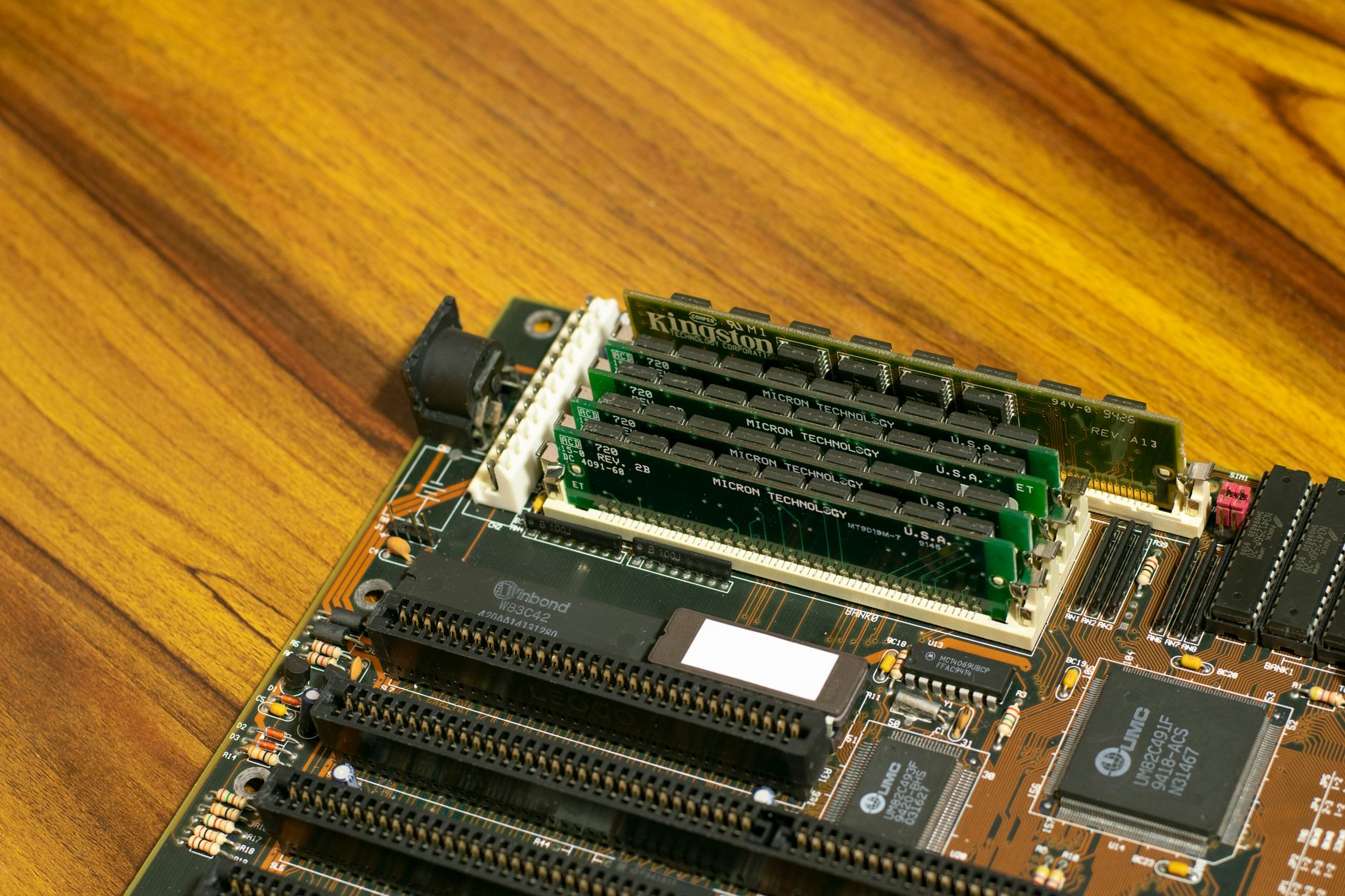
In October 2020, Intel agreed to sell its NAND memory and storage business to SK Hynix for $9 billion. The package included Intel’s solid‑state drive business, NAND components and wafers, and a factory in Dalian, China. As of the latest market data, Micron’s market value exceeds twice Intel’s, prompting a reassessment of the sale’s long‑term implications.
Key Takeaways
- Intel sold its NAND business to SK Hynix for $9 billion in two parts: $7 billion in 2021 and $1.9 billion in 2025.
- Micron’s market value is about $1.05 trillion, while Intel’s is roughly $464 billion.
- Post‑sale, Intel has focused on its Intel Foundry contract‑chipmaking arm, which grew 31% year over year to $5.8 billion in Q2 but still posted a $2.1 billion operating loss.
- Memory prices surged during the AI boom, with SK Hynix reporting a 257% revenue increase in Q2 and a 76% operating margin.
- Intel’s exit from NAND left it exposed to a market that has since become highly profitable for memory producers.
| Metric | Value | Why it matters |
|---|---|---|
| Seller | Intel | Company that divested its NAND business. |
| Buyer | SK Hynix | Acquirer of the NAND assets. |
| Sale price | $9 billion | Total value of the transaction. |
| Micron market cap | $1.05 trillion | Shows relative valuation after the sale. |
| Intel market cap | $464 billion | Current valuation of the company that sold NAND. |
The 2020 Sale Structure
Intel’s divestiture unfolded in two stages. SK Hynix paid $7.0 billion at the end of 2021, acquiring the solid‑state drive business and the Dalian factory. It established a new subsidiary, Solidigm, to operate the drives. The remaining portion—NAND technology, intellectual property, and associated personnel—transferred on March 27 2025, with Intel receiving approximately $1.9 billion net of adjustments.
What Intel Gained from the Deal
Intel announced that the proceeds would be directed toward “long‑term growth priorities, including artificial intelligence, 5G networking and the intelligent, autonomous edge.” In practice, the company has invested heavily in its Intel Foundry, a contract‑chipmaking arm. Foundry revenue rose 31% year over year to $5.8 billion in the second quarter, a figure that includes work for Intel’s own product groups, yet the segment posted a $2.1 billion operating loss.
Memory Market After 2020
Memory prices collapsed in 2022 and 2023, leading to a $5.83 billion net loss for Micron in fiscal 2023 as revenue nearly halved. However, the rise of artificial intelligence shifted demand. Data centers now require vast amounts of memory, pushing prices upward. SK Hynix’s Q2 revenue of 79.3 trillion won surged 257% year over year, and its operating margin reached 76%—both record highs. The first quarter added 52.6 trillion won, pushing first‑half revenue over 100 trillion won for the first time.
Evaluating the Exit
In 2020, the logic behind the sale was defensible: NAND was a commodity business demanding constant capital, and Intel was grappling with core manufacturing challenges. The 2022 downturn made the sellers appear prudent. Yet the AI boom has turned the memory market into a scarce resource, benefiting companies that retained NAND assets. Micron’s valuation now exceeds twice Intel’s, while Intel’s foundry business remains unprofitable. The $9 billion sale was likely fair at the time, but the long‑term outcome favors the company that stayed in memory.
Why It Matters
For investors, the comparison illustrates how timing and industry shifts can dramatically alter the value of a divestiture. Companies that exit commodity segments may free capital for growth, but they risk missing out when those segments become high‑margin due to technological change. The Intel‑Micron contrast also highlights the importance of aligning a company’s core focus with emerging market dynamics, such as AI‑driven demand for memory.
Frequently Asked Questions
1. Who sold Intel’s NAND business?
Intel sold its NAND memory and storage business to SK Hynix in October 2020.
2. What did the sale include?
The package comprised Intel’s solid‑state drive business, NAND components and wafers, and a factory in Dalian, China.
3. How much did Intel receive for the transaction?
Intel received $7 billion in 2021 and $1.9 billion in 2025, totaling approximately $9 billion.
4. Why is Micron’s valuation compared to Intel’s?
Micron is the largest U.S. memory company and serves as a benchmark for the value of the memory business that Intel sold.
5. What is Intel’s current focus after the sale?
Intel has concentrated on its Intel Foundry contract‑chipmaking arm, which grew 31% year over year to $5.8 billion in Q2 but remains unprofitable.
Bottom Line
Intel’s $9 billion sale of its NAND business was a reasonable decision at the time, but the subsequent AI‑driven surge in memory demand has made the retained memory assets far more valuable. Micron’s market cap now exceeds twice that of Intel, underscoring the long‑term impact of staying in the memory sector while Intel continues to chase profitability in its foundry business.
This is educational information, not personalized financial advice.
Reporting based on: original source.