Nvidia Stock Teases Buy Zone After Beat‑and‑Raise Report
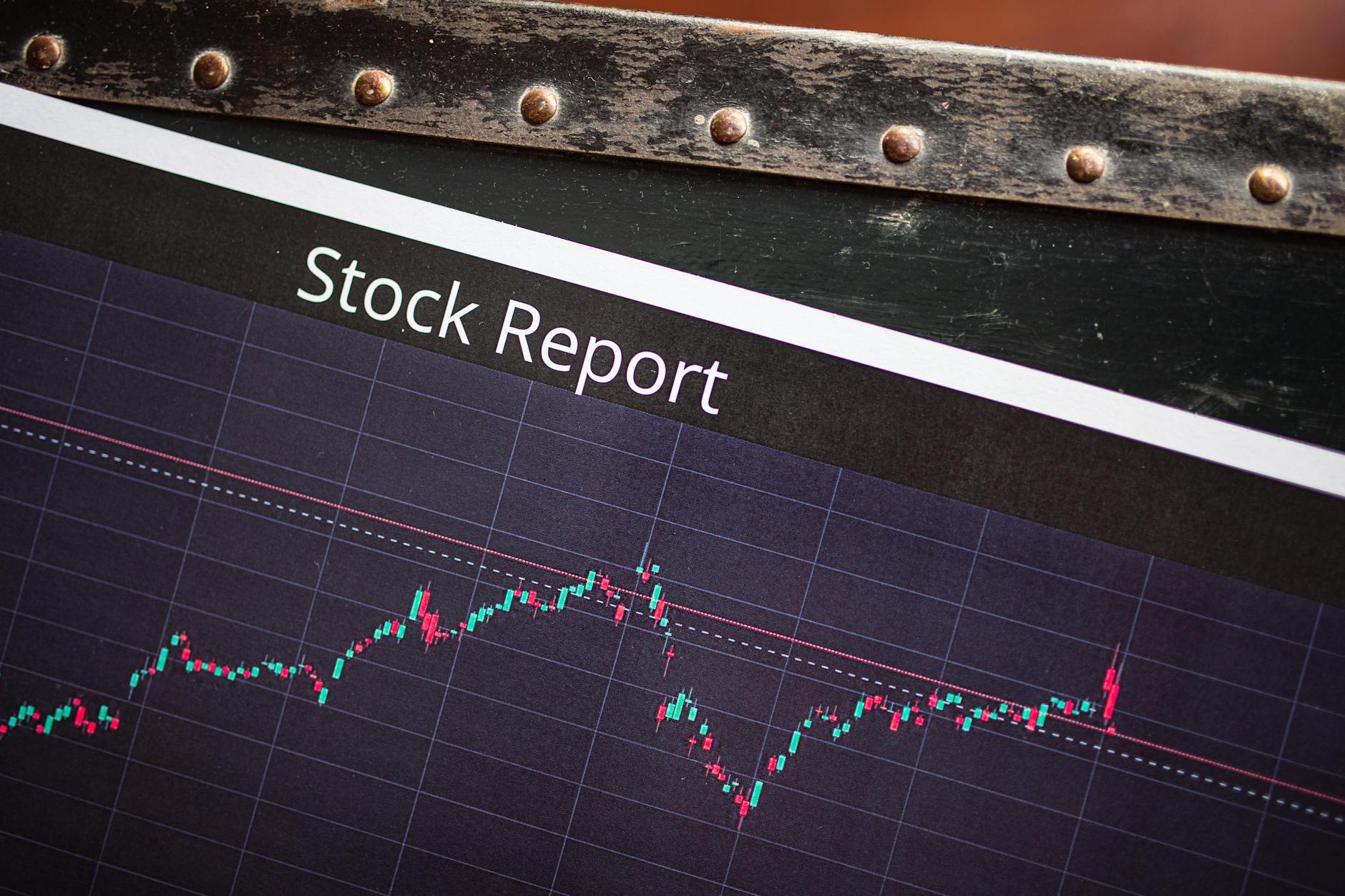
Nvidia reported a beat‑and‑raise earnings result for its fiscal second quarter, prompting the share price to hold firm above its 10‑week moving average and positioning the stock for a potential breakout. The company was added to the Investor’s Business Daily Leaderboard and Stock Spotlight screens, and more than a dozen analysts upgraded their outlooks.
Key Takeaways
- Nvidia delivered a beat‑and‑raise earnings performance for its fiscal second quarter.
- The stock is maintaining support above its 10‑week moving average, hinting at a possible breakout.
- More than a dozen analysts have upgraded their outlooks on the company.
- Nvidia has earned spots on the Investor’s Business Daily Leaderboard and Stock Spotlight screens.
| Metric | Value | Why it matters |
|---|---|---|
| Earnings Result | Beat‑and‑raise | Signals stronger-than-expected performance and upward guidance. |
| Technical Indicator | 10‑week moving average support | Provides a key price floor for traders and investors. |
| Analyst Sentiment | More than a dozen upgrades | Reflects growing confidence in the company’s prospects. |
| Market Recognition | IBD Leaderboard & Stock Spotlight | Highlights the stock as a top performer in the market. |
Earnings Overview
Nvidia’s fiscal second‑quarter earnings surpassed expectations, a classic “beat‑and‑raise” scenario where the company not only outperformed analysts’ forecasts but also increased its guidance for future periods. Such a result is often interpreted as a sign that the company’s core business—particularly its artificial intelligence (AI) and graphics processing unit (GPU) segments—is gaining momentum.
Technical Positioning
Following the earnings announcement, the stock has been holding steady above its 10‑week moving average. In trading terms, a moving average is a smoothed line that tracks the average price over a set number of periods; the 10‑week average is a short‑term trend indicator. When a stock trades above this line, it is considered to be in a bullish phase, and the line itself acts as a dynamic support level. Traders often watch for a breakout—an upward move that breaks through a resistance level—once the stock has firmly established support.
Analyst Sentiment
More than a dozen analysts have upgraded their outlooks on Nvidia following the earnings release. While the specific nature of each upgrade—whether it be a higher price target, a change from neutral to bullish, or an adjustment in earnings forecasts—is not detailed, the collective shift indicates a consensus that the company’s trajectory is improving. Analyst upgrades can influence investor behavior, as they often serve as a barometer for market expectations.
Market Recognition
In addition to the earnings beat, Nvidia was added to the Investor’s Business Daily Leaderboard and the Stock Spotlight screen. The Leaderboard is a curated list of high‑performing stocks, and inclusion signals that the company is among the most compelling plays in the market at that time. The Stock Spotlight screen highlights stocks that are generating significant interest and momentum, further amplifying the company’s visibility to investors.
Next Steps for Investors
With the stock positioned above a key technical support level and buoyed by analyst upgrades, investors may look for a breakout to confirm the bullish trend. A breakout would typically involve the price surpassing a recent resistance level and sustaining momentum. However, market dynamics can shift quickly, and the stock could also experience a pullback if broader market conditions turn unfavorable.
Why It Matters
For investors considering exposure to the technology sector, Nvidia’s recent performance underscores the importance of both earnings fundamentals and technical indicators. A beat‑and‑raise earnings report can act as a catalyst, but sustained upside often requires a confluence of positive sentiment, solid technical support, and market recognition. The company’s inclusion in high‑profile market screens further validates its standing as a leading player in AI and GPU technology.
Frequently Asked Questions
What does a “beat‑and‑raise” earnings result mean?
A “beat‑and‑raise” indicates that the company’s reported earnings exceeded analysts’ expectations and that the company has increased its guidance for future periods, suggesting stronger future performance.
How does the 10‑week moving average influence trading decisions?
The 10‑week moving average provides a short‑term trend line. When a stock trades above this line, it is often seen as a bullish signal, and the line itself can act as a support level that traders watch for potential breakouts.
Why is being added to the Investor’s Business Daily Leaderboard significant?
The Leaderboard highlights stocks that are outperforming peers and generating strong market interest. Inclusion signals that the company is viewed as a top performer by market analysts.
What should investors watch for after a beat‑and‑raise?
Key indicators include the stock’s ability to maintain support above the 10‑week moving average, any subsequent breakout above resistance levels, and continued analyst upgrades or positive market sentiment.
Is a single earnings beat enough to justify buying Nvidia?
While a beat‑and‑raise is a positive signal, investors should consider the broader context, including technical positioning, analyst sentiment, and market conditions, before making a decision.
Bottom Line
Nvidia’s fiscal second‑quarter earnings beat expectations and raised guidance, reinforcing the company’s strong position in the AI and GPU markets. The stock’s current technical stance—holding above its 10‑week moving average—and the recent analyst upgrades suggest a bullish outlook. However, investors should remain mindful of market volatility and monitor for a clear breakout before committing additional capital.
This is educational information, not personalized financial advice.
Reporting based on: original source.