Why Situational Awareness Hedge Fund Imploded, Even in a Tame Stock Market
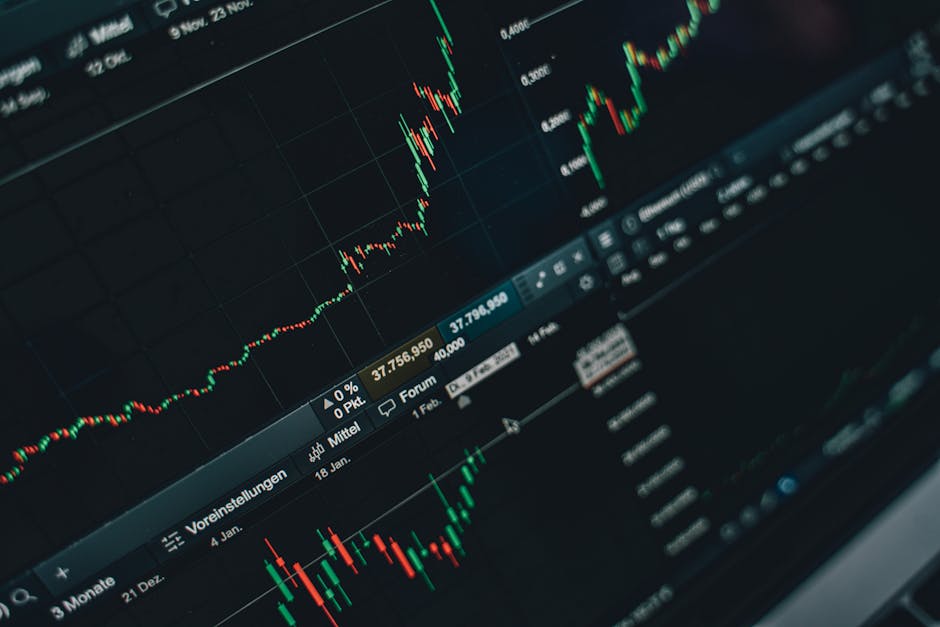
The Unexpected Downfall of Leopold Aschenbrenner's $45 Billion Hedge Fund
You've likely heard of the infamous Situational Awareness hedge fund, founded by Leopold Aschenbrenner. The fund was once touted as a top performer, boasting a staggering $45 billion in assets under management. However, in a shocking turn of events, the fund imploded, forcing Aschenbrenner to slash public stock positions after a historic momentum reversal triggered margin calls. In this article, we'll delve into the reasons behind this spectacular failure and provide valuable insights to help you avoid similar pitfalls in your own investment portfolio.
The Importance of Situational Awareness in Investing
Situational awareness, as the name suggests, refers to the ability to be aware of one's surroundings and adapt to changing circumstances. In investing, this means being cognizant of market trends, economic indicators, and geopolitical events that can impact the performance of your portfolio. You can't afford to be complacent, thinking that the market will always go up or that your investments are safe. As the Situational Awareness hedge fund debacle shows, even the most seemingly stable investments can turn sour in a matter of days.
The Role of Momentum Reversals in Market Volatility
A momentum reversal occurs when a security or a market index experiences a sudden and significant change in direction. This can happen when investors become overly optimistic or pessimistic about a particular asset, leading to a rapid price increase or decrease. In the case of the Situational Awareness hedge fund, the momentum reversal was triggered by a combination of factors, including a sudden shift in investor sentiment and a unexpected economic downturn. As a result, the fund's positions became over-leveraged, leading to margin calls and a subsequent collapse.
The Dangers of Over-Leveraging Your Portfolio
A Recipe for Disaster: Over-Leveraging and Margin Calls
Over-leveraging occurs when you use borrowed money to invest in a security or a market index, hoping to amplify your returns. While this strategy can be lucrative in a bull market, it can be disastrous in a bear market or when a momentum reversal occurs. When you're over-leveraged, even a small price movement can trigger a margin call, forcing you to sell your assets at a loss. This can lead to a vicious cycle of selling, which can further exacerbate market declines.
In the case of the Situational Awareness hedge fund, the over-leveraging was so severe that the fund was forced to sell its positions at a loss, resulting in a significant decline in value. This is a stark reminder of the dangers of over-leveraging and the importance of maintaining a conservative risk profile in your investment portfolio.
The Importance of Diversification in Mitigating Risk
Diversification is a time-tested investment strategy that involves spreading your investments across different asset classes, sectors, and geographies. By doing so, you can reduce your exposure to any one particular market or security, thereby mitigating risk. A well-diversified portfolio can help you ride out market volatility and avoid significant losses in the event of a momentum reversal or an economic downturn.
In the case of the Situational Awareness hedge fund, the lack of diversification was a major contributing factor to its downfall. By concentrating its assets in a single market index, the fund was heavily exposed to the risks of a momentum reversal, which ultimately led to its collapse.
The Value of Situational Awareness in Your Investment Decisions
Situational awareness is not just a buzzword; it's a critical component of successful investing. By being aware of the market trends, economic indicators, and geopolitical events that can impact your portfolio, you can make more informed investment decisions and avoid costly mistakes. Whether you're a seasoned investor or just starting out, situational awareness is essential for building a robust and resilient investment portfolio.
Conclusion: The Importance of Situational Awareness in Investing
The collapse of the Situational Awareness hedge fund serves as a stark reminder of the importance of situational awareness in investing. By being aware of the market trends, economic indicators, and geopolitical events that can impact your portfolio, you can avoid costly mistakes and build a robust and resilient investment portfolio. Remember, situational awareness is not just a buzzword; it's a critical component of successful investing.
As you navigate the complex world of investing, always keep in mind the importance of situational awareness. Stay informed, stay vigilant, and always be prepared to adapt to changing market conditions. By doing so, you can build a successful investment portfolio that will serve you well for years to come.