Micron, Intel and Other Chip Stocks Extend Their Recent Comebacks
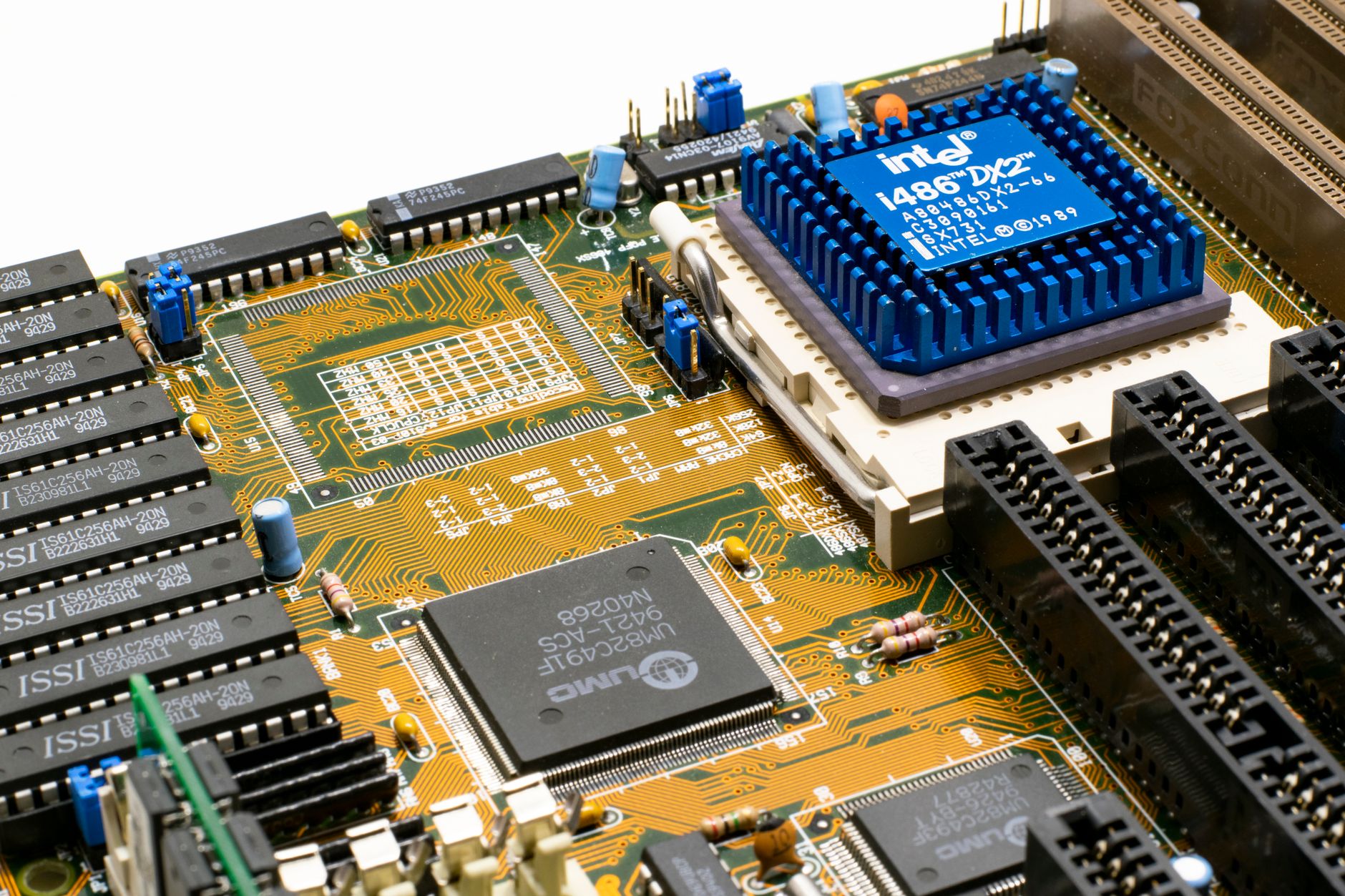
Investor concerns that a slowdown in AI‑related spending and the lingering effects of recent interest‑rate hikes would weigh on semiconductor makers are easing, allowing chip makers such as Micron and Intel to continue their upward trajectory.
Key Takeaways
- Fears of an AI spending slowdown are diminishing.
- Investor anxiety about the impact of higher interest rates is receding.
- Chip stocks, including Micron and Intel, are benefiting from the improved sentiment.
| Metric | Value | Why it matters |
|---|---|---|
| AI‑spending outlook | Fears subsiding | Reduces pressure on semiconductor demand forecasts. |
| Interest‑rate concerns | Impact perception easing | Lowers the cost‑of‑capital worries for tech investors. |
| Chip‑stock momentum | Continued comeback | Signals renewed confidence in the sector’s growth prospects. |
What the Shift in Sentiment Means for Chip Makers
The semiconductor industry has been closely watched because its products power everything from data centers to consumer gadgets. When investors worried that AI‑related capital spending might stall, or that higher borrowing costs would choke growth, chip makers saw their valuations wobble. The recent easing of those worries is now translating into steadier buying pressure for companies like Micron Technology and Intel Corp.
Why Investor Fears Were Growing
Two primary concerns drove the earlier market unease. First, AI projects, which require massive amounts of processing power, were thought to be entering a plateau, potentially curbing orders for high‑performance chips. Second, central banks’ interest‑rate hikes raised the cost of financing for both corporate customers and investors, prompting a broader risk‑off stance in technology equities.
Evidence of the Comeback
While specific price movements are not detailed here, the narrative of a “strong comeback” suggests that the market has responded positively as the two worries recede. Analysts typically interpret such sentiment shifts as a green light for renewed capital allocation toward semiconductor manufacturers.
Context: The Broader Tech Landscape
The semiconductor sector does not operate in isolation. Its health influences cloud providers, smartphone makers, and automotive firms that all depend on chips. A reduction in anxiety about AI spending and borrowing costs can therefore ripple through multiple downstream industries, reinforcing the sector’s importance in the overall economy.
Why It Matters
Understanding the drivers behind chip‑stock momentum helps investors gauge whether the current rally is rooted in fundamental demand or merely short‑term sentiment. If AI spending remains robust and financing conditions stay manageable, the upward trend could sustain, offering potential upside for portfolios that include semiconductor exposure.
Frequently asked questions
What specific concerns were investors worried about?
Investors were primarily concerned that AI‑related capital expenditures might slow and that recent interest‑rate hikes could increase financing costs for tech companies.
Which chip makers are mentioned as benefitting from the improved sentiment?
Micron Technology and Intel Corporation are highlighted as examples of semiconductor firms experiencing a continued comeback.
How does a reduction in AI‑spending fears affect chip demand?
When fears of a slowdown fade, expectations for ongoing or increased orders for high‑performance chips rise, supporting higher valuations for chip manufacturers.
Why do interest‑rate hikes matter to semiconductor stocks?
Higher rates raise the cost of capital for both the companies that buy chips and the investors who fund them, potentially dampening investment and slowing growth.
What should investors watch moving forward?
Key indicators include actual AI‑related capital spending trends, central‑bank policy signals on rates, and quarterly earnings reports from major chip makers.
Bottom Line
As investor worries about an AI spending slowdown and the impact of higher interest rates ease, semiconductor leaders such as Micron and Intel are extending their recent rebounds, suggesting that confidence in the sector’s growth trajectory is regaining strength.
This is educational information, not personalized financial advice.
Reporting based on: original source.