New York Fed’s Williams Attributes Treasury Yield Surge to Strong Economic Outlook
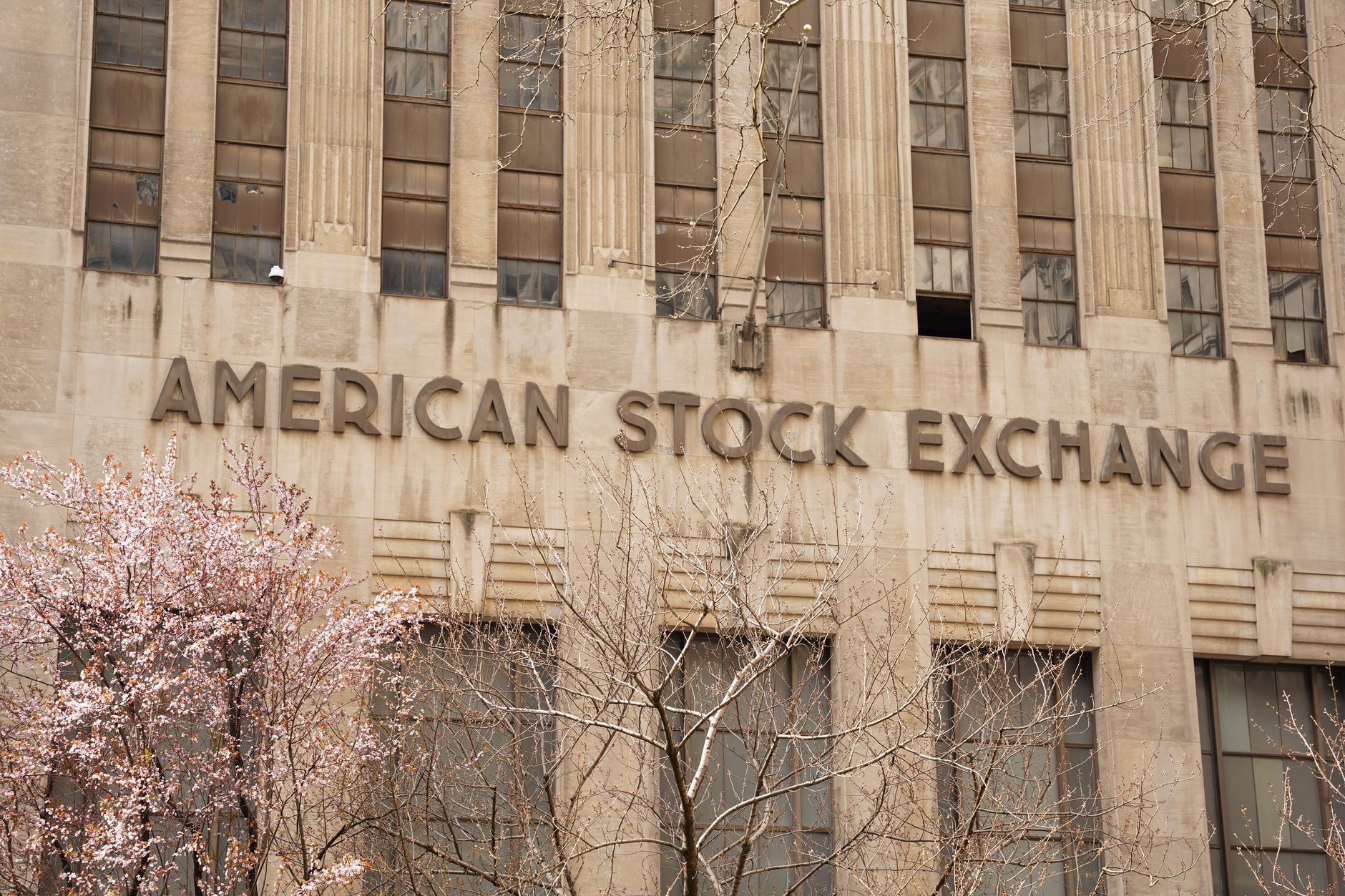
Treasury yields have jumped to multiyear highs, especially at the long end of the curve, after New York Federal Reserve President John Williams told CNBC’s Squawk Box that the rise is “the product of a strong economy, not market dysfunction.” The interview took place on Wednesday at the New York Fed’s headquarters in lower Manhattan.
Key Takeaways
- U.S. Treasury yields have reached multiyear highs, led by long‑term bonds.
- John Williams says the surge reflects a robust economy and a bright outlook driven by AI and technology investment.
- The CME Group’s odds gauge shows roughly a 66 % chance of a Fed rate hike at the September 15‑16 meeting.
| Metric | Value | Why it matters |
|---|---|---|
| Key speaker | John Williams – President, Federal Reserve Bank of New York; permanent FOMC voter | His views shape market expectations of monetary policy. |
| Interviewer | Steve Liesman – CNBC reporter | Provides the platform for Fed commentary. |
| Odds gauge provider | CME Group | Supplies market‑based probability of Fed actions. |
| Fed‑rate‑hike odds (Sept 15‑16) | Around 66 % | Indicates strong market expectation of a policy increase. |
| Interview location | New York Fed headquarters, lower Manhattan | Official venue for Fed communication. |
Yield Surge Reaches Multi‑Year Peaks
Bond market data show Treasury yields climbing to levels not seen in several years, with the most pronounced gains at the longer maturities. The upward movement reflects heightened investor expectations for future interest rates.
Williams Links Yield Rise to Economic Strength
John Williams emphasized that the yield increase is “the product of a strong economy, not market dysfunction.” He argued that the economy is shaping financial conditions, rather than the reverse.
“I think that we have to wait and see. There's no clear signs right now whether monetary policy currently is sufficient to make sure we bring inflation back to target in the next year or”
Market’s View on Upcoming Fed Decision
The CME Group’s odds gauge, cited during the interview, placed the probability of a rate hike at the September 15‑16 Federal Reserve meeting at roughly 66 % as of Wednesday morning. Such a high probability suggests that market participants anticipate tighter monetary policy in the near term.
Underlying Drivers: AI, Data Centers, and Tech Investment
Williams highlighted “big investments in AI and data centers and technology in general” as key components of the strong economic outlook. These sectors are fueling capital spending, which in turn supports higher growth expectations.
Implications for Investors and Financial Conditions
Higher Treasury yields generally translate into lower bond prices and increased borrowing costs for corporations and consumers. If the market’s 66 % odds materialize into an actual rate hike, the ripple effect could tighten credit conditions across the economy.
Why it matters
Understanding the drivers behind the yield surge helps investors gauge the trajectory of interest rates, assess the risk of holding long‑duration bonds, and anticipate how upcoming Fed policy decisions might affect equity valuations and loan pricing.
Frequently asked questions
Who provided the commentary on the Treasury yield surge?
John Williams, President of the Federal Reserve Bank of New York and a permanent voter on the Federal Open Market Committee, offered the analysis.
Where and when was the interview conducted?
The interview took place on a Wednesday at the New York Fed’s headquarters in lower Manhattan, broadcast on CNBC’s Squawk Box.
What does the CME Group gauge indicate about the September Fed meeting?
The gauge showed roughly a 66 % probability that the Federal Reserve will raise its policy rate at the September 15‑16 meeting.
Why are Treasury yields climbing despite the lack of market dysfunction?
Williams attributes the rise to a strong U.S. economy and robust outlook, especially driven by large‑scale investments in artificial intelligence, data centers, and broader technology sectors.
How might this development affect investors?
Rising yields can depress existing bond prices, increase borrowing costs, and influence equity market valuations, prompting investors to reassess duration risk and sector exposure.
Bottom Line
Treasury yields have surged to multiyear highs, a movement John Williams attributes to a vigorous economy powered by technology investment rather than market anomalies. With the CME Group indicating a roughly 66 % chance of a September rate hike, investors should watch both monetary‑policy decisions and the continued expansion of AI‑related capital spending for clues on future bond‑market direction.
Keeping an eye on the Fed’s next meeting and the pace of tech‑sector investment will be essential for navigating the evolving yield environment.
This is educational information, not personalized financial advice.
Reporting based on: original source.