Operation Wildcat Rising Tests Reserve Drill Sergeants for Rapid Training Expansion
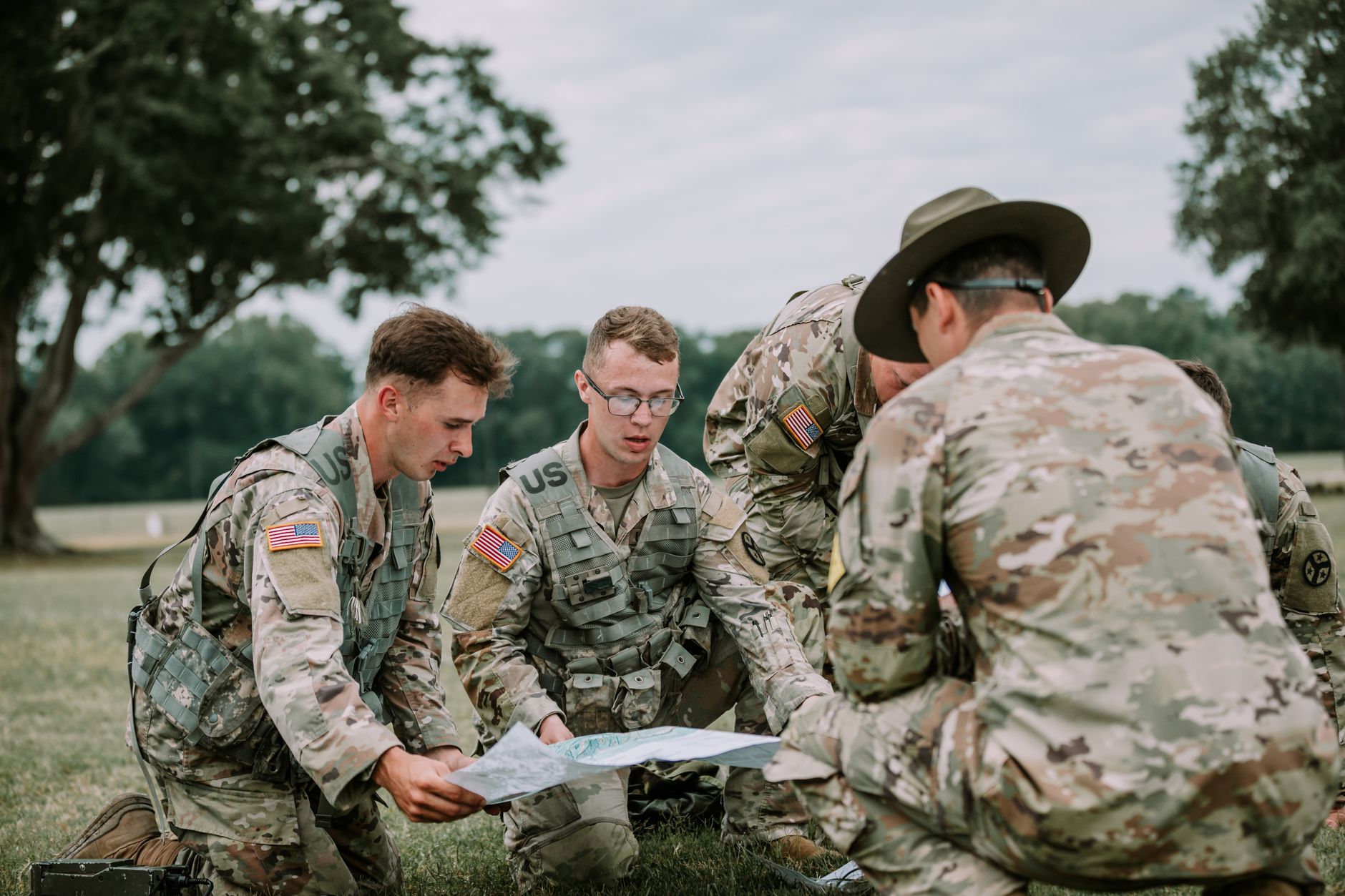
This summer at Fort Sill, Oklahoma, the U.S. Army placed dozens of Army Reserve drill sergeants into a single basic‑training cycle under an experiment called Operation Wildcat Rising, overseen by Col. Matthew Horning of the 1st Brigade, 95th Training Division. The trial gave the reserve formation its own leadership a larger share of the training mission and was designed to see how quickly the Army could expand its basic‑training pipeline while preserving standards.
Key Takeaways
- Operation Wildcat Rising inserted dozens of reserve drill sergeants into one basic‑training cycle.
- The experiment assigned a dedicated reserve leadership team a larger portion of the training mission.
- A post‑training review highlighted logistical and certification challenges for future scaling.
- Maj. Gen. Michael Dougherty emphasized the importance of maintaining Basic Combat Training standards.
- A brigade‑level expansion of the model is slated for next year.
| Metric | Value | Why it matters |
|---|---|---|
| Operation | Wildcat Rising | Tests a new model for rapid training capacity. |
| Location | Fort Sill, Oklahoma | Central hub for Army basic‑training. |
| Lead commander | Col. Matthew Horning | Oversaw the experiment’s execution. |
| Senior training commander | Maj. Gen. Michael Dougherty | Provided strategic perspective on training standards. |
| Timing | This summer | Demonstrates readiness to test concepts during peacetime. |
What Operation Wildcat Rising Entailed
The Army’s 80th Training Command tasked a reserve formation with a full basic‑training cycle, rather than scattering reserve drill sergeants across active‑unit classes. By concentrating the reserve cadre, the experiment could evaluate whether a single, cohesive reserve leadership team could sustain the rigorous standards of Basic Combat Training while handling a larger share of the instructional load.
How the Experiment Was Structured
Dozens of reserve drill sergeants were embedded into the training schedule at Fort Sill. The reserve unit operated under its own chain of command, reporting to Col. Horning, while Maj. Gen. Dougherty monitored overall outcomes. This arrangement differed from the usual practice of assigning individual reserve sergeants to active‑unit training teams, allowing the Army to assess both command efficiency and instructional consistency.
Findings and Identified Challenges
After the cycle concluded, a review pinpointed several logistical and certification hurdles. Issues ranged from coordinating equipment allocations to ensuring that reserve instructors met the same certification benchmarks as their active‑duty counterparts. These insights will shape a larger, brigade‑level effort scheduled for the following year, aiming to resolve the identified gaps before a full‑scale rollout.
Implications for Future Force Expansion
If a major conflict demanded a rapid surge in soldier numbers, the Army could tap this reserve‑driven model to expand training throughput without compromising quality. Maintaining training standards is critical; as Maj. Gen. Dougherty noted, Basic Combat Training remains the foundation of a soldier’s combat readiness.
Context: Training Capacity in a Major War Scenario
Historically, the Army has relied on active‑duty drill sergeants to meet training demand. However, the increasing complexity of modern warfare and the potential need for large, swift mobilizations have prompted a re‑examination of reserve contributions. Operation Wildcat Rising represents a concrete step toward integrating reserve forces more deeply into the training pipeline.
Why It Matters
Understanding how the Army can quickly scale its training pipeline informs broader discussions about national defense readiness. For policymakers, defense analysts, and taxpayers, the experiment offers a glimpse into cost‑effective ways to bolster the force structure without sacrificing the quality of soldier preparation. Watching the upcoming brigade‑level test will reveal whether the logistical and certification challenges can be overcome at scale.
Frequently asked questions
What was the primary objective of Operation Wildcat Rising?
The experiment aimed to determine whether reserve drill sergeants could rapidly expand basic‑training capacity while preserving the standards of Basic Combat Training.
Who oversaw the trial and who provided strategic input?
Col. Matthew Horning, commander of the 1st Brigade, 95th Training Division, oversaw the trial, while Maj. Gen. Michael Dougherty, commander of the 80th Training Command, commented on the importance of maintaining training standards.
Where and when did the experiment take place?
It was conducted this summer at Fort Sill, Oklahoma.
What challenges were identified for future scaling?
The post‑training review highlighted logistical and certification challenges that will need to be addressed before a larger, brigade‑level implementation.
What is the next step for the Army?
A brigade‑level effort, building on the lessons from this trial, is planned for next year.
Bottom Line
Operation Wildcat Rising demonstrated that a concentrated reserve drill‑sergeant unit can be inserted into a basic‑training cycle, revealing both the potential for rapid training expansion and the logistical hurdles that must be resolved before a full‑scale rollout.
The upcoming brigade‑level test will be the decisive indicator of whether the Army can reliably surge its training pipeline in a future large‑scale conflict.
This is educational information, not personalized financial advice.
Reporting based on: original source.