Saudi Arabia Shifts Oil Export Strategy to Strait of Hormuz
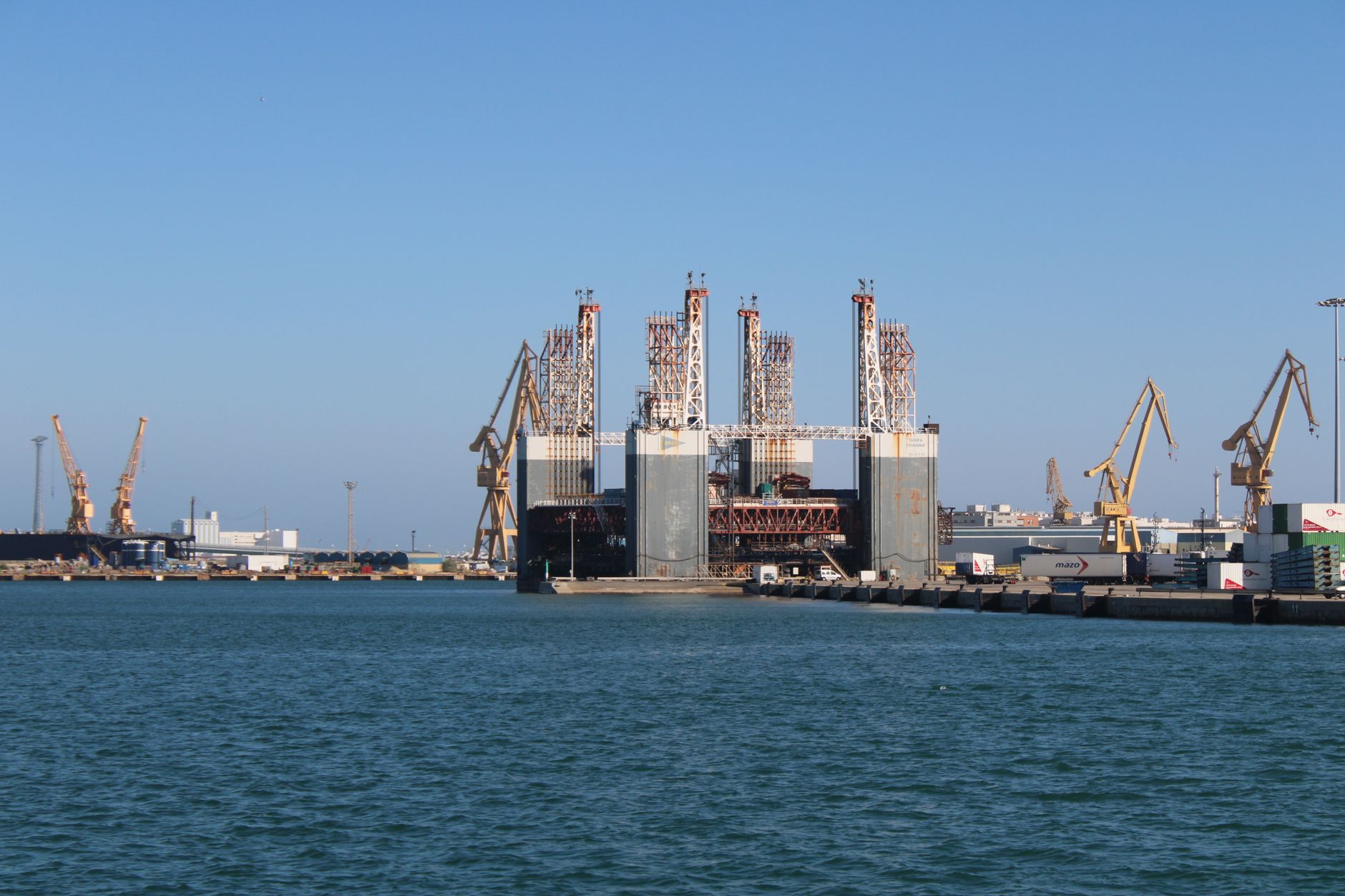
With its East‑West pipeline shut down, Saudi Arabia has turned to the Strait of Hormuz as its primary route for exporting oil, recently opening the spigot to increase flow. The move raises questions about the durability of this new channel.
Key Takeaways
- The East‑West pipeline is currently non‑operational.
- The Strait of Hormuz has become Saudi Arabia’s main export route.
- Recent actions have opened the “spigot,” allowing more oil to flow through the strait.
- Uncertainty remains about how long this arrangement can be sustained.
| Metric | Value | Why it matters |
|---|---|---|
| East‑West pipeline status | Shut down | Loss of a key overland export route |
| Primary export route | Strait of Hormuz | Concentration of global oil traffic |
| Recent change | Spigot opened | Increased flow capacity |
What is the East‑West Pipeline?
The East‑West pipeline was a major infrastructure project designed to transport crude oil from the western part of Saudi Arabia to the eastern coast, where it could be loaded onto tankers. When the pipeline is operational, it offers a direct, land‑based route that bypasses maritime chokepoints. With the pipeline currently shut down, the country has had to seek alternative pathways for its exports.
Why the Strait of Hormuz Became the New Main Route
The Strait of Hormuz is a narrow waterway that connects the Persian Gulf to the Arabian Sea. Because of its strategic location, it has long been a critical artery for global oil shipments. With the East‑West pipeline out of service, Saudi Arabia has turned to this maritime corridor as the most viable option for moving its crude to international markets.
Recent Developments: The Spigot Opening
In recent weeks, Saudi officials have “opened the spigot,” a phrase that indicates a deliberate increase in the volume of oil that can pass through the Strait. This action effectively raises the capacity of the channel, allowing more barrels to be shipped each day. The opening of the spigot is a tangible sign that the country is actively adapting its export strategy.
Potential Risks and Uncertainties
Relying heavily on a single maritime route introduces several vulnerabilities. First, the Strait of Hormuz is a narrow passage; any disruption—whether due to geopolitical tensions, piracy, or technical incidents—could halt the flow of oil. Second, concentrating traffic in one area increases the risk of congestion and delays. Finally, the long‑term sustainability of this arrangement depends on the continued operational status of the spigot and the absence of external shocks.
Implications for Global Oil Markets
The shift to the Strait of Hormuz means that a larger share of the world’s oil supply will be funneled through a single chokepoint. While the immediate impact on prices may be modest, the concentration of traffic could amplify the sensitivity of global markets to any disruptions in the region. Traders and analysts will likely monitor shipping volumes and geopolitical developments closely to gauge potential ripple effects.
Why it Matters
For investors, understanding the logistics behind oil exports is essential. A change in export routes can affect supply dynamics, which in turn influence oil prices and the valuation of energy companies. Moreover, the concentration of traffic in the Strait of Hormuz underscores the geopolitical importance of the region, making it a focal point for risk assessment in portfolios that include energy exposure.
Frequently Asked Questions
What caused the East‑West pipeline to shut down?
The source does not provide a specific reason for the shutdown. It simply states that the pipeline is currently non‑operational.
How does the spigot opening affect oil flow?
Opening the spigot increases the capacity of the Strait of Hormuz to handle more oil, allowing higher volumes to pass through each day.
Will Saudi Arabia continue to rely on the Strait of Hormuz?
The source raises the question of whether the current arrangement will last, indicating uncertainty about the long‑term strategy.
What risks does this concentration pose?
Concentrating oil traffic in a narrow maritime corridor heightens vulnerability to disruptions, whether from geopolitical tensions, piracy, or technical incidents.
How might this shift influence global oil prices?
While the immediate effect may be limited, the increased reliance on a single chokepoint could make global markets more sensitive to any disruptions in the region.
Bottom Line
Saudi Arabia’s decision to pivot to the Strait of Hormuz after shutting down its East‑West pipeline marks a significant shift in its export strategy. By opening the spigot, the country has temporarily increased the channel’s capacity, but the concentration of traffic introduces new risks. Investors should monitor the situation for signs of further adjustments or disruptions that could influence oil supply dynamics.
This is educational information, not personalized financial advice.
Reporting based on: original source.