Stellantis (STLA) Reportedly Eyes $1.16 Billion France Van Investment
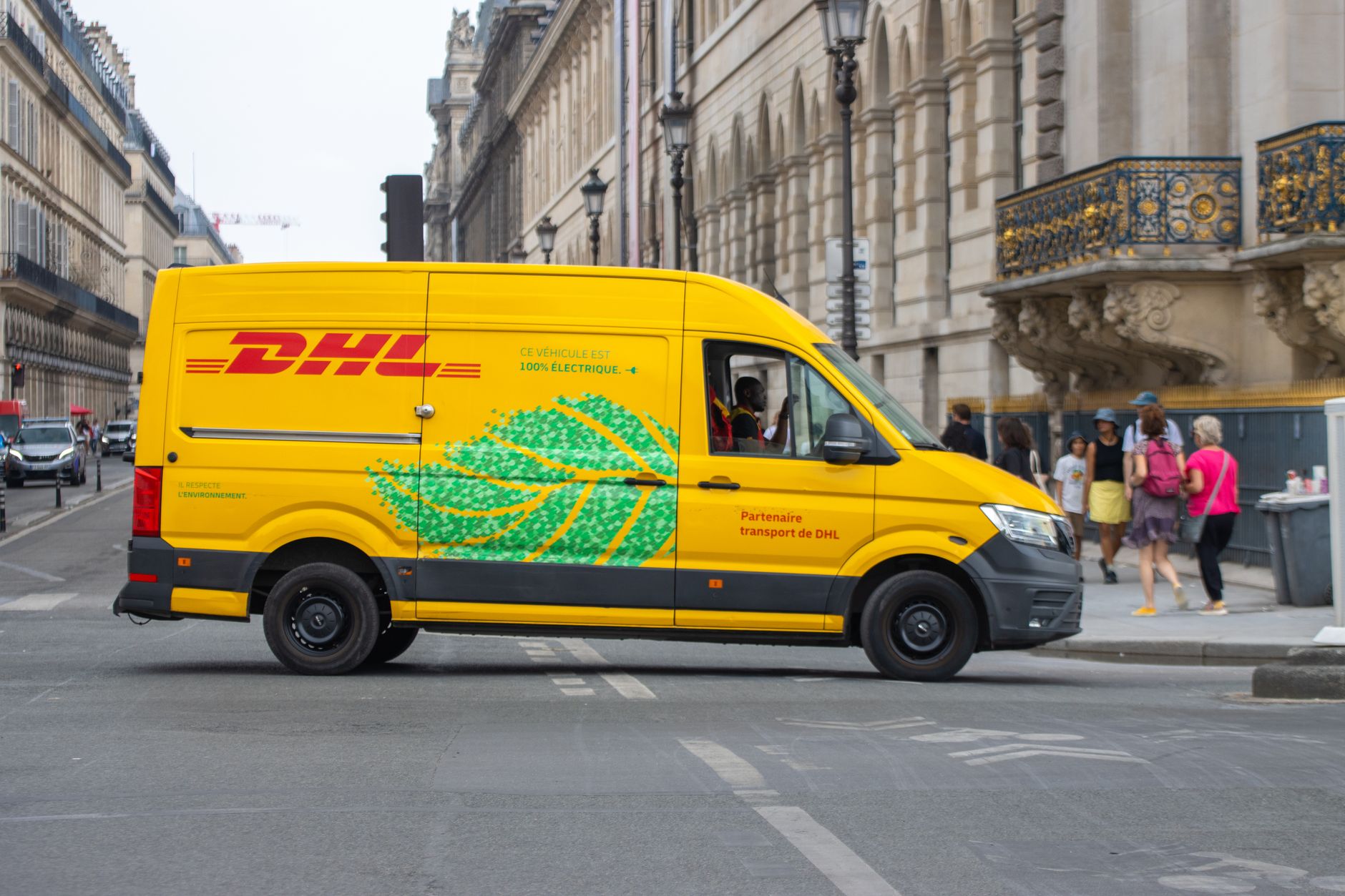
Stellantis N.V. announced plans to invest $1.16 billion in its Hordain, France, manufacturing plant, a move that sits within a €60 billion five‑year strategy aimed at boosting growth and cutting costs. The investment is part of the company’s target to achieve €6 billion in annual savings by 2028.
Key Takeaways
- Stellantis plans a $1.16 billion upgrade of its Hordain plant to improve efficiency and bring outsourced processes in‑house.
- The investment is part of a €60 billion five‑year plan that also includes >€1 billion for new Peugeot electric and hybrid models at Mulhouse.
- CEO Antonio Filosa is pushing dozens of new models while addressing overcapacity and competing with cheaper Chinese EV makers.
| Metric | Value | Why it matters |
|---|---|---|
| Investment in Hordain | $1.16 billion | Expands production capacity for vans. |
| Five‑year strategic plan | €60 billion | Funds growth, efficiency, and new model launches. |
| Target annual savings | €6 billion by 2028 | Reduces operating costs across Europe. |
| Q2 net income | €293 million | Below analyst estimate of €464 million. |
Overview of the Investment
On September 11, reports surfaced that Stellantis will pour $1.16 billion into its Hordain plant in France. The upgrade will focus on boosting manufacturing efficiency and bringing certain outsourced processes back in‑house. The move is a concrete step toward the company’s broader €60 billion five‑year plan.
Strategic Context: Five‑Year Plan and Cost Savings
Stellantis’ five‑year strategy is designed to generate €6 billion in annual savings by 2028. The €60 billion investment budget covers plant upgrades, new model development, and research and development initiatives. The plan also addresses overcapacity in some facilities and aims to keep the company competitive against emerging Chinese EV brands.
Plant Upgrades and In‑House Manufacturing
The Hordain upgrade will improve production efficiency for vans and allow the company to internalize processes that are currently outsourced to suppliers. By consolidating operations, Stellantis expects to reduce lead times and lower manufacturing costs.
New Models and Electric/Hybrid Focus
CEO Antonio Filosa has confirmed a rollout of dozens of new models, including three new Peugeot electric and hybrid vehicles slated for production at the Mulhouse plant beginning in 2029. The Mulhouse investment exceeds €1 billion and positions Stellantis to compete more effectively in the electric and hybrid segments.
Partnerships and Capacity Utilization
Stellantis is pursuing strategic partnerships with Zhejiang Leapmotor Technology Co. and Dongfeng Motor Corp., planning to share manufacturing capacity at Spanish and French plants. This collaboration aims to improve capacity utilization and reduce idle capacity in the face of market pressure from cheaper Chinese brands.
Financial Performance and Investor Sentiment
The company’s second‑quarter net income of €293 million fell short of analyst expectations of €464 million. Hedge fund holdings of Stellantis shares dropped from 32 in the first quarter to 26 in the second quarter, indicating a cautious stance among institutional investors.
Why it Matters
The $1.16 billion investment signals Stellantis’ commitment to strengthening its European manufacturing footprint and accelerating its transition to electric and hybrid vehicles. By internalizing processes and partnering with Chinese manufacturers, the company seeks to balance cost control with innovation. Investors and industry observers will watch how quickly the upgraded Hordain plant translates into higher revenue and whether the new Peugeot models achieve the projected market share.
Frequently Asked Questions
What is the purpose of the $1.16 billion investment?
The investment is intended to upgrade the Hordain plant’s manufacturing capacity, improve efficiency, and bring certain outsourced processes in‑house.
How does this fit into Stellantis’ broader strategy?
It is part of a €60 billion five‑year plan that aims to generate €6 billion in annual savings by 2028 and supports the launch of new electric and hybrid models.
What new models are being developed?
Stellantis plans to roll out dozens of new models, including three new Peugeot electric and hybrid vehicles at Mulhouse starting in 2029.
Why are hedge funds reducing their holdings?
Hedge fund sentiment weakened after the company’s Q2 net income of €293 million fell below analyst estimates, and the company faces stiff competition from cheaper Chinese EV makers.
Will the investment improve profitability?
While the upgrade could strengthen manufacturing capabilities, the timing of production and the eventual financial contribution remain uncertain, leaving the impact on profitability unclear.
Bottom Line
Stellantis’ $1.16 billion investment in its Hordain plant is a strategic effort to enhance European manufacturing, internalize key processes, and support the launch of new electric and hybrid models. Coupled with a €60 billion five‑year plan, the company is positioning itself to compete more effectively against Chinese rivals, though the path to higher margins remains uncertain.
This is educational information, not personalized financial advice.
Reporting based on: original source.