Halliburton Projects Sustained Growth as Middle East Rebuilds Post‑War
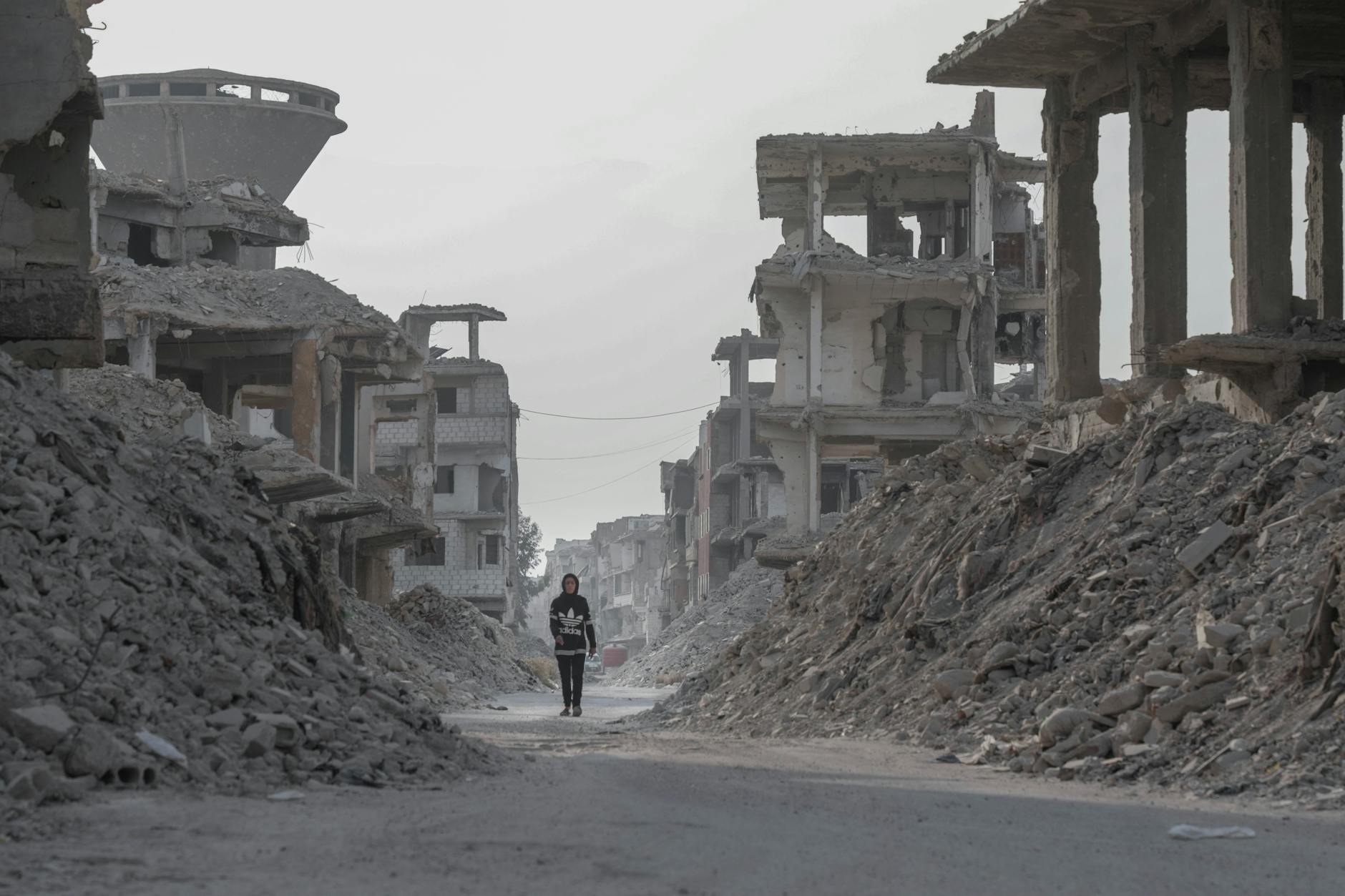
Halliburton Co. has signaled that oil‑field service work will experience years of expansion, driven by nations refilling crude inventories and reconstruction of Middle‑Eastern infrastructure damaged during the Iran war.
Key Takeaways
- Halliburton expects a multi‑year upturn in oil‑field service demand.
- Growth is linked to global efforts to restock crude oil reserves.
- The rebuilding of Middle‑Eastern oil infrastructure after the Iran conflict is a major catalyst.
| Metric | Value | Why it matters |
|---|---|---|
| Company | Halliburton Co. | One of the world’s largest oil‑field service providers. |
| Forecast Horizon | Years of growth | Indicates a sustained demand cycle rather than a short‑term spike. |
| Growth Drivers | Crude‑reserve replenishment & Middle‑East reconstruction | Shows how geopolitical and supply‑side factors intertwine. |
What the Forecast Means for Halliburton
The company’s outlook suggests that its service contracts—ranging from well drilling to equipment maintenance—will see a steady increase in volume. For a business whose revenue is tied directly to the amount of oil‑field activity, a multi‑year growth period can translate into higher cash flow, expanded workforce, and greater capital investment in technology.
Drivers Behind the Anticipated Upswing
Two primary forces are shaping the forecast. First, nations that have drawn down their strategic petroleum reserves during recent supply shocks are now actively purchasing crude to restore buffer stocks. This “refill” behavior creates a ripple effect: more oil must be extracted, transported, and processed, which in turn fuels demand for the services Halliburton provides.
Second, the physical damage inflicted on pipelines, refineries, and drilling sites across the Middle East during the Iran war requires extensive repair and modernization. Rebuilding these assets is a capital‑intensive endeavor, and service firms are the contractors that turn blueprints into operational facilities.
Understanding Oil‑Field Services
Oil‑field services encompass everything from drilling new wells to maintaining existing equipment, testing reservoir performance, and managing well completions. Think of the industry as the “handyman” for the oil sector—without these specialized skills, even the most promising oil deposits would remain untapped.
The sector’s health is often measured by the number of active contracts and the average spend per contract. When oil producers increase output, they typically order more services, creating a feedback loop that benefits companies like Halliburton.
Rebuilding After the Iran Conflict
The Iran war left a patchwork of damaged infrastructure, including cracked pipelines, sabotaged pumping stations, and partially destroyed drilling rigs. Restoring these assets is not a quick fix; it involves engineering assessments, procurement of specialized parts, and coordination with local authorities.
The reconstruction effort also presents an opportunity for modernization. Nations may choose to replace older, less efficient equipment with newer, technology‑driven solutions—an upgrade that further amplifies demand for advanced service offerings.
Potential Risks and Uncertainties
While the outlook appears positive, several variables could temper growth. Geopolitical tensions could flare, leading to renewed supply disruptions or additional sanctions that limit market access. Fluctuations in oil prices also influence producers’ willingness to invest in new projects or extensive repairs.
Regulatory changes, especially those aimed at reducing carbon emissions, may shift capital toward renewable energy sources, potentially slowing the pace of new oil‑field development. Halliburton’s reliance on a sector facing long‑term energy transition pressures adds a layer of strategic risk.
Why It Matters
For investors, policymakers, and industry observers, Halliburton’s growth projection serves as a barometer of broader oil‑market dynamics. A sustained increase in service demand signals that global oil production is likely to rebound, which can affect everything from commodity prices to balance‑of‑trade calculations for oil‑importing nations. Additionally, the reconstruction of Middle‑Eastern infrastructure underscores the region’s continued centrality in the world’s energy supply chain.
Frequently asked questions
What specific activities will drive Halliburton’s growth?
The forecast points to higher volumes of drilling, well completion, equipment maintenance, and infrastructure repair—all core components of oil‑field services.
Which regions are most likely to benefit from the rebuilding effort?
Countries in the Middle East that suffered infrastructure damage during the Iran war are expected to see the most intensive reconstruction activity.
How does the replenishment of crude reserves affect service demand?
When nations buy more crude to restock reserves, oil producers must increase extraction rates, which in turn raises the need for drilling and related services.
What risks could undermine the projected growth?
Potential risks include renewed geopolitical conflict, volatile oil prices, and policy shifts toward lower‑carbon energy sources.
Is Halliburton’s outlook unique in the industry?
While other service firms may share similar expectations, Halliburton’s public statement provides a concrete benchmark for assessing sector‑wide sentiment.
Bottom Line
Halliburton’s projection of multi‑year growth reflects a confluence of renewed crude‑reserve purchases and extensive rebuilding of oil infrastructure in the Middle East. The outlook highlights a near‑term boost for oil‑field services while reminding stakeholders of the geopolitical and market uncertainties that could influence the trajectory.
This is educational information, not personalized financial advice.
Reporting based on: original source.