Huawei doubles down on smartphones as EV sales slow
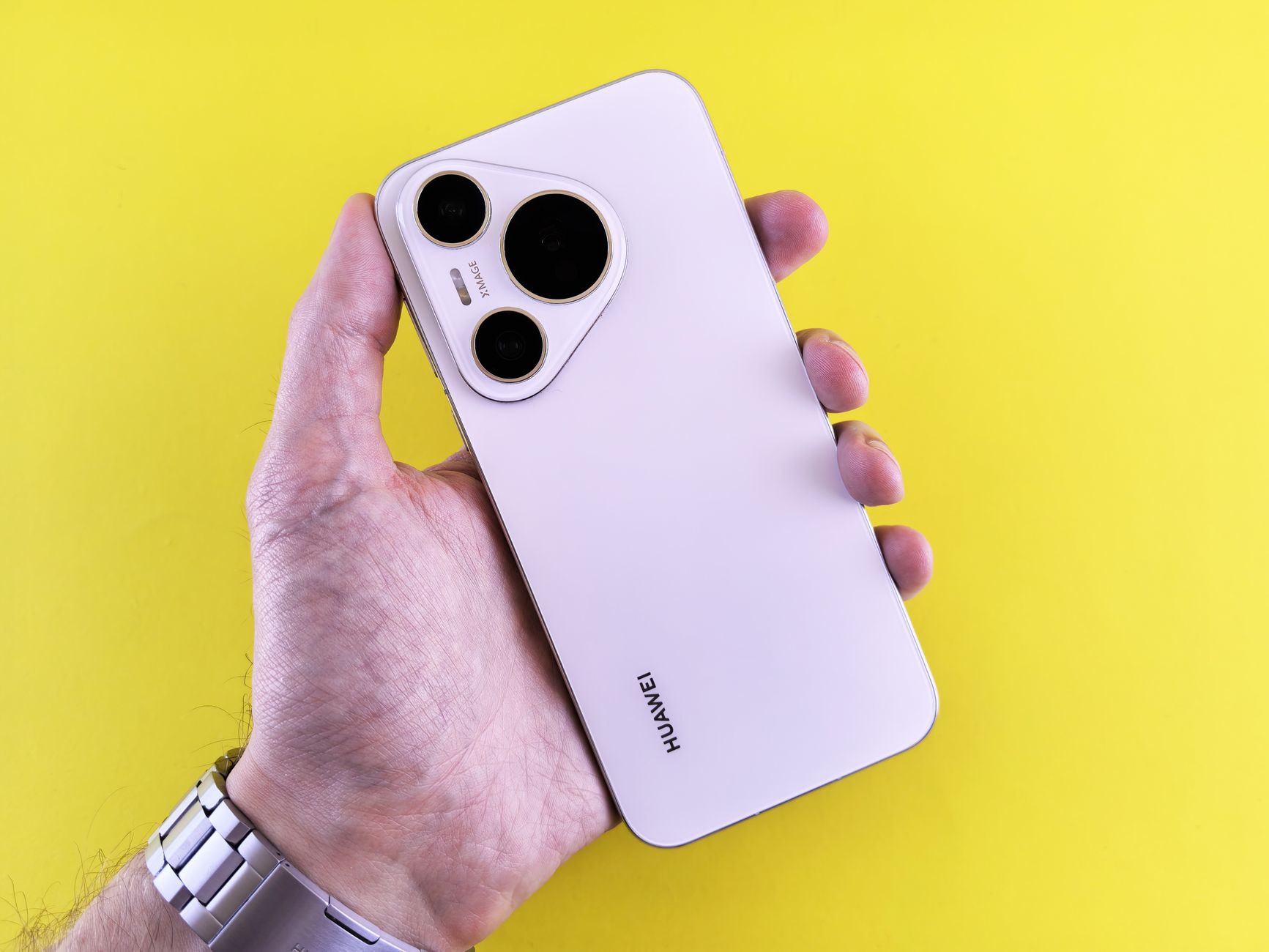
On China’s National Day, October 1, Huawei launched its Mate 90 series, the first smartphone to feature the company’s own LogicFolding chip. The move comes as Huawei’s consumer arm faces a slowdown in both the smartphone and electric‑vehicle markets, prompting a renewed focus on home‑grown technology and overseas expansion.
Key Takeaways
- Huawei’s Mate 90 series is the first phone to use its LogicFolding chip, released on National Day.
- Consumer‑business revenue rose to $51 billion in 2025, 39 % of total revenue, after a sharp decline post‑2019 sanctions.
- Huawei’s electric‑vehicle unit generated at least $6.7 billion in 2025, but sales are concentrated in China and have fallen 29 % YoY in September.
- The company plans to expand HarmonyOS overseas within the next 1–3 years, hoping domestic chip production will enable global sales.
| Metric | Value | Why it matters |
|---|---|---|
| Mate 90 launch date | October 1, 2024 | Marks Huawei’s first self‑chip smartphone release. |
| Consumer‑business revenue 2025 | $51 billion | 39 % of Huawei’s total revenue, showing recovery after sanctions. |
| EV unit revenue 2025 | ≥$6.7 billion | Highlights Huawei’s significant but China‑centric EV presence. |
| September 2025 Huawei‑powered vehicle deliveries | ≈37,500 units | 29 % YoY decline, indicating market pressure. |
Huawei’s Smartphone Strategy
Huawei’s Mate 90 series represents the company’s first foray into smartphones powered by its own LogicFolding chip. The launch, timed with the National Day holiday, signals a strategic pivot toward domestic chip manufacturing after U.S. restrictions in 2019 cut off access to Google’s Android OS and TSMC‑made semiconductors.
Richard Yu, Huawei’s Executive Director, stated that the company aims to regain overseas market share. In 2019, Huawei shipped over 240 million smartphones worldwide, targeting 300 million units that year. Today, the firm sells only several million units outside China annually.
Yu also announced plans to roll out HarmonyOS in foreign markets over the next one to three years, hoping that China’s growing chip production capacity will eventually allow Huawei to export devices equipped with its self‑developed chips.
Impact of U.S. Sanctions on Consumer Business
Following the 2019 sanctions, Huawei’s consumer business revenue fell from roughly $68 billion in 2020 to about $34 billion in 2021, a 50 % decline. Since then, the segment has grown to $51 billion in 2025, representing 39 % of the company’s total revenue, according to CNBC calculations.
Despite this rebound, smartphone sales in China have slumped, with a double‑digit year‑on‑year decline in August and September 2025, as reported by Counterpoint Research.
Huawei’s Electric‑Vehicle Venture
Huawei entered the EV market by partnering with Chinese manufacturers, creating a business unit that generated at least $6.7 billion in revenue in 2025. Unlike other Chinese EV brands that have rapidly expanded exports, Huawei‑powered vehicles remain largely domestic. The company supplies software interfaces and driver‑assist systems rather than manufacturing the cars themselves.
China’s auto market is on track for its worst year since 2021, with sales down more than 20 % over the first three quarters of 2025. New‑energy vehicle sales fell 13 % during the same period, according to the China Passenger Car Association.
In September 2025, Huawei‑powered vehicle deliveries dropped 29 % from a year earlier, totaling just under 37,500 units. By contrast, BYD achieved double‑digit gains each month, selling over 400,000 units monthly, while Leapmotor maintained deliveries above 100,000 units per month since July.
Since its first launch in late 2021, Huawei’s Harmony Intelligent Mobility Alliance (HIMA) has sold more than 1.56 million vehicles. The company’s first car featuring Huawei technology, the Aito M5, debuted in December 2021. In October 2024, Huawei signed a five‑year cooperation agreement with Seres, establishing a joint Aito business team.
Market Performance and Competition
Huawei’s EV sales are concentrated in China, where the company’s partner, Seres Group, has seen its Shanghai‑listed shares fall over 60 % this year. Meanwhile, competitors like BYD and Leapmotor continue to grow rapidly, with BYD’s monthly sales exceeding 400,000 units and Leapmotor surpassing 100,000 units per month.
As of September 27, 2025, China Passenger Car Association data indicated that the overall auto market declined by more than 20 % in the first three quarters, while new‑energy vehicle sales fell 13 %. Tesla China had not yet reported September deliveries.
Why it matters
Huawei’s shift toward home‑grown chips and overseas HarmonyOS expansion reflects a broader strategy to mitigate the impact of U.S. sanctions. The company’s consumer‑business recovery to $51 billion in 2025 signals resilience, yet the smartphone market’s double‑digit decline highlights ongoing challenges. In the EV arena, Huawei’s revenue of $6.7 billion demonstrates a significant presence, but the 29 % YoY drop in September deliveries underscores competitive pressure and market contraction. Investors and industry observers should watch Huawei’s chip production capabilities, HarmonyOS rollout, and EV partnership performance as indicators of the company’s ability to navigate geopolitical constraints and market volatility.
Frequently asked questions
What is the LogicFolding chip?
The LogicFolding chip is Huawei’s first in‑house semiconductor designed for its Mate 90 smartphone series, announced on National Day, October 1, 2024.
How did U.S. sanctions affect Huawei’s smartphone sales?
In 2019, U.S. restrictions cut off Huawei’s access to Google’s Android OS and TSMC‑made chips, forcing the company to halt overseas smartphone sales and reducing its global shipment volume from over 240 million units in 2019 to only several million units outside China today.
What is HarmonyOS?
HarmonyOS is Huawei’s operating system, which the company plans to expand overseas within the next one to three years, aiming to replace reliance on Android for its devices.
Why are Huawei‑powered vehicle deliveries falling?
September 2025 deliveries dropped 29 % YoY, totaling under 37,500 units, due to a broader slump in China’s auto market, with overall sales down more than 20 % and new‑energy vehicle sales falling 13 % over the first three quarters.
What is HIMA?
HIMA, Huawei’s Harmony Intelligent Mobility Alliance, is the software and driver‑assist system provider for Huawei‑powered vehicles, having sold over 1.56 million units since its launch in late 2021.
Bottom Line
Huawei’s recent launch of the Mate 90 series with its own LogicFolding chip marks a decisive push toward domestic chip production and overseas market reentry. While the company’s consumer business has rebounded to $51 billion in 2025, smartphone sales remain under pressure, and its electric‑vehicle unit, though generating $6.7 billion, faces a sharp decline in deliveries. Huawei’s future success will hinge on the expansion of HarmonyOS abroad, the maturation of China’s chip manufacturing, and its ability to navigate a competitive and contracting automotive market.
This is educational information, not personalized financial advice.
Reporting based on: original source.