Pat Gelsinger Just Backed a $100 Million Challenge to Nvidia’s AI Networking Moat. AMD Could Benefit
Former Intel CEO Pat Gelsinger has invested more than $100 million in Delos Data, a startup that seeks to break Nvidia’s dominance in AI networking by creating hardware‑agnostic chips and software for heterogeneous AI data centers.
Key Takeaways
- Gelsinger’s $100 million investment fuels Delos Data’s push against Nvidia’s integrated AI stack.
- Delos targets networking that works across any accelerator, not just Nvidia GPUs.
- AMD’s Instinct accelerators could see lower friction if Delos’s approach gains traction.
- Hedge funds are increasing exposure to both Nvidia and AMD, signaling growing institutional interest.
| Metric | Value | Why it matters |
|---|---|---|
| Investor | Pat Gelsinger | Former Intel CEO with deep industry influence |
| Funding Amount | > $100 million | Significant capital for a startup in AI networking |
| Funding Date | September 15, 2024 | Recent development in the AI hardware race |
| Target Market | Heterogeneous AI data centers | Growing need for flexible interconnects |
| Hedge Fund Exposure (Q2) | 285 funds holding Nvidia; 164 funds holding AMD | Institutional confidence in both companies |
What Delos Data Is and Its Funding
Delos Data announced on September 15 that it secured more than $100 million to build networking chips and software tailored for AI data centers that use a mix of different compute hardware. The round included Playground Global, where Gelsinger serves as a general partner. Reuters reported that Delos is designing a network that can operate across various types of accelerators, rather than assuming every accelerator comes from Nvidia.
Nvidia’s Integrated AI Stack and Why It Matters
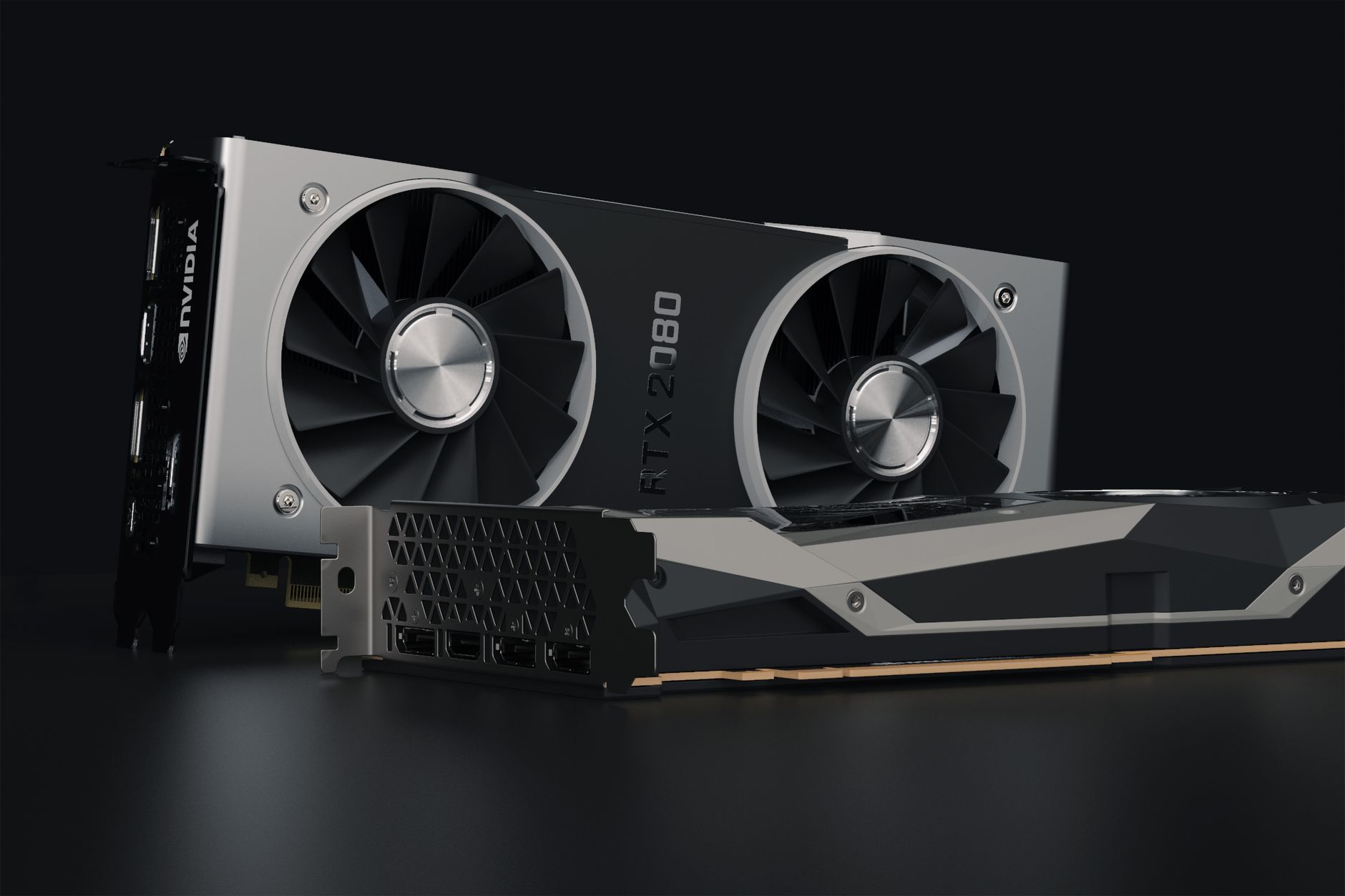
Nvidia’s dominance in AI is not solely due to its fast GPUs. The company sells a tightly integrated system that bundles accelerators, networking, interconnects, and software. This integration simplifies deployment of large clusters and reduces the incentive for customers to mix architectures from different vendors. As a result, Nvidia’s “AI networking moat” is reinforced by the seamless experience it offers.
Delos’s Strategy: Hardware‑Agnostic Networking
Delos believes the next bottleneck in AI is not the accelerator itself but the data that must travel between accelerators and memory. The startup’s pitch is that a data center should be able to connect whatever mix of accelerators makes economic sense, without being locked into a single vendor’s ecosystem. Gelsinger has highlighted idle compute waiting for data as a major waste of money and energy.
If Delos’s architecture proves viable, it could lower the friction points that currently favor Nvidia. By offering networking that works with any accelerator, the startup would give customers the flexibility to choose the most cost‑effective mix of hardware.
Implications for AMD and the Broader Market
Advanced Micro Devices (AMD) has been improving its Instinct accelerator performance and winning AI deployments. However, every friction point involved in mixing AMD hardware with another vendor’s ecosystem protects Nvidia. Hardware‑agnostic networking could reduce those friction points, potentially making AMD’s solutions more attractive to data‑center operators.
While AMD is not an investor in Delos, the startup’s success could indirectly benefit the company by expanding the market for heterogeneous AI hardware. The broader AI ecosystem may shift toward more modular, vendor‑agnostic solutions, challenging Nvidia’s tightly integrated model.
Hedge Fund Activity and Market Sentiment
Insider Monkey tracked hedge‑fund exposure to both incumbents. In Q2, 285 hedge funds held Nvidia shares, up from 275 in Q1. Arrowstreet Capital increased its position by 10%, holding roughly 34.7 million shares. AMD’s holder count climbed to 164 from 134, while Marshall Wace held approximately 3.9 million shares after a modest increase.
AMD had about 41.7 million shares sold short as of August 31, equal to roughly 2.6 % of float and 2.5 days to cover. These figures suggest that institutional investors are actively monitoring both companies, potentially positioning for shifts in the AI hardware landscape.
Why It Matters
For investors, the Delos announcement signals a potential disruption to Nvidia’s entrenched position. If hardware‑agnostic networking gains traction, it could erode Nvidia’s advantage and open new opportunities for AMD and other vendors. The increased hedge‑fund exposure indicates that the market is already anticipating changes in the AI hardware race.
From a portfolio perspective, understanding the dynamics between integrated and modular AI solutions helps you gauge where the next growth drivers may emerge. It also highlights the importance of watching funding rounds and institutional positions, which often precede broader market shifts.
Frequently Asked Questions
Who is Pat Gelsinger?
Pat Gelsinger is the former CEO of Intel and currently a general partner at Playground Global, a venture firm that invested in Delos Data.
What is Delos Data’s main product?
Delos is developing networking chips and software that can connect any type of AI accelerator, aiming to reduce data bottlenecks in heterogeneous data centers.
How does Delos challenge Nvidia?
Nvidia sells a tightly integrated stack of GPUs, networking, and software. Delos’s hardware‑agnostic approach could allow customers to mix accelerators from different vendors, potentially reducing Nvidia’s dominance.
What benefit could AMD gain?
AMD’s Instinct accelerators could become more competitive if networking friction is lowered, making it easier for data‑center operators to integrate AMD hardware into mixed‑vendor environments.
Why are hedge funds increasing exposure to Nvidia and AMD?
Institutional investors are likely anticipating shifts in the AI hardware market and are positioning their portfolios to capture potential upside from both incumbents.
Bottom Line
Pat Gelsinger’s $100 million backing of Delos Data introduces a credible challenger to Nvidia’s integrated AI networking moat. By focusing on hardware‑agnostic connectivity, Delos could reduce friction for heterogeneous AI deployments, indirectly benefiting AMD and reshaping the competitive landscape. Investors should monitor Delos’s progress and institutional positions for early signals of a broader shift toward modular AI infrastructure.
This is educational information, not personalized financial advice.
Reporting based on: original source.