US Military Buildup Raises Iran Escalation Risk
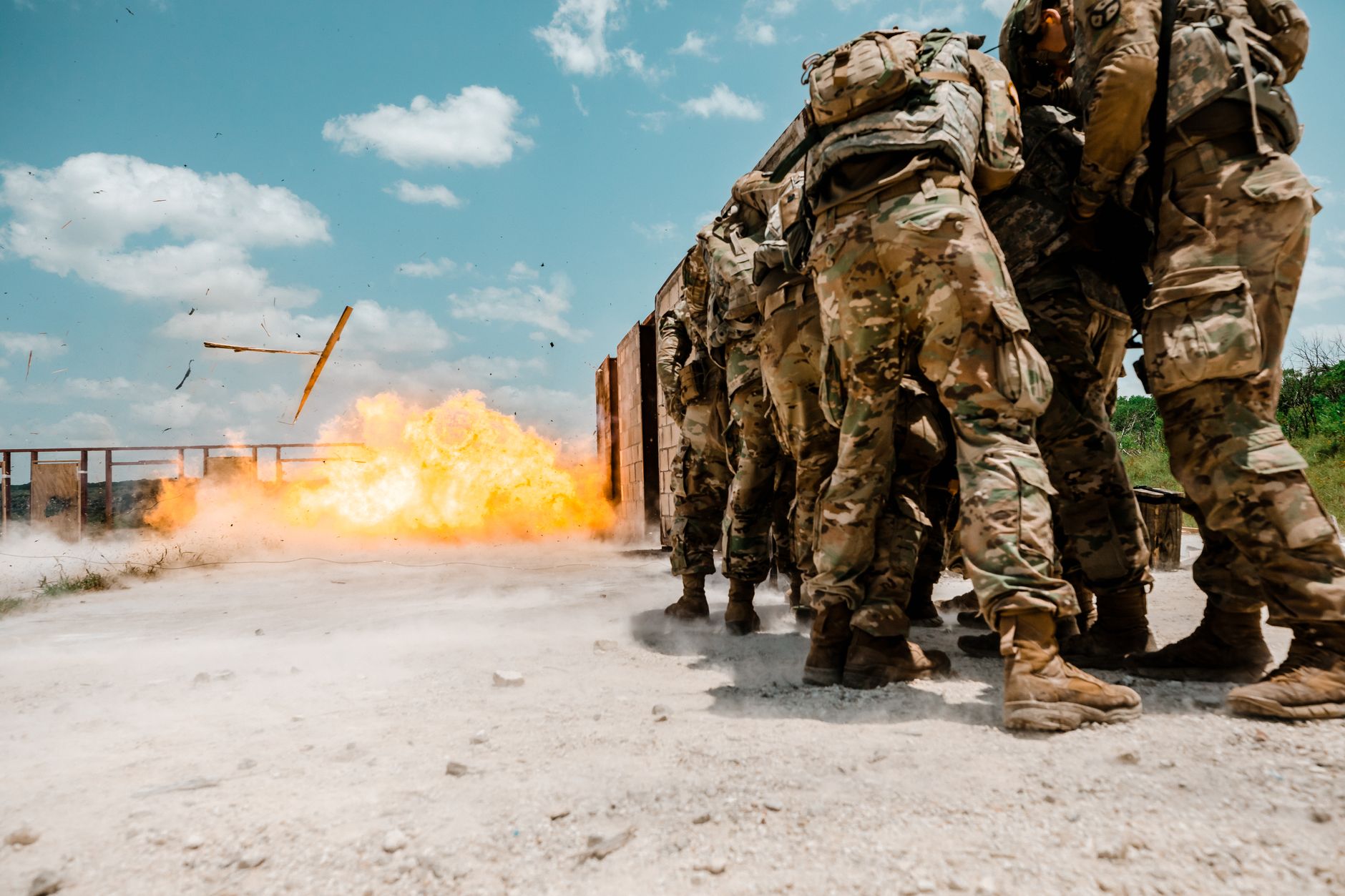
The United States has added a third aircraft carrier to its Middle East deployment, a move that broadens President Donald Trump’s strategic options while diplomatic talks with Iran remain stalled. Washington Institute research director Dana Stroul told Bloomberg This Weekend that U.S. economic sanctions and a naval blockade are applying pressure on Tehran, yet no major concessions have emerged on the Strait of Hormuz, Iran’s nuclear program, or its regional activities.
Key Takeaways
- The U.S. has deployed a third aircraft carrier to the Middle East.
- Sanctions and a naval blockade are the main tools of pressure on Iran.
- Diplomatic negotiations with Iran have stalled, yielding no significant concessions.
- Washington is also evaluating its approach to the Houthi movement in Yemen.
- The current strategy expands Trump’s options but does not guarantee a resolution.
| Metric | Value | Why it matters |
|---|---|---|
| US Military Buildup | Third aircraft carrier added | Expands U.S. operational options in the region |
| Diplomacy Status | Stalled | Limits leverage over Iran’s policy decisions |
| Pressure Tools | Economic sanctions & naval blockade | Intended to coerce Iran without direct conflict |
The New Naval Presence
Deploying a third aircraft carrier signals a significant shift in U.S. naval posture. An aircraft carrier serves as a floating airbase, capable of launching fighter jets, conducting surveillance, and projecting power across vast distances. By adding a third carrier, Washington is effectively increasing its ability to respond to threats, support allies, and deter adversaries in the Persian Gulf and surrounding waters.
Sanctions and Blockade: Tools of Pressure
Economic sanctions target Iran’s financial institutions, oil exports, and key industries, aiming to cut off revenue streams that fund its regional influence. A naval blockade, meanwhile, restricts maritime traffic through the Strait of Hormuz—a narrow waterway that channels a substantial portion of the world’s oil shipments. Together, these measures create a dual-front pressure that seeks to compel Tehran to negotiate.
Diplomacy Stalled: What It Means
Despite the intensity of sanctions and the blockade, the U.S. has not secured significant concessions from Iran. Key issues—control over the Strait of Hormuz, the status of Iran’s nuclear program, and its broader regional activities—remain unresolved. The stalemate suggests that Iran is either unwilling to make the concessions demanded or that the U.S. strategy has yet to achieve the desired leverage.
The Houthis and Yemen: A Broader Regional Puzzle
Washington’s assessment is not limited to Iran alone. The U.S. is also weighing its approach to the Houthi movement in Yemen, a group that has seized control of large swaths of the country and has been accused of receiving support from Tehran. The interplay between Iranian influence in Yemen and the broader Middle East dynamics adds complexity to the U.S. strategy.
The Risk of Escalation
Expanding military assets and maintaining a blockade increase the likelihood of miscalculations or provocations. If Iran perceives the buildup as an existential threat, it could respond with aggressive actions—such as missile launches or attacks on shipping—thereby raising the risk of a broader conflict. The U.S. must balance deterrence with the potential for unintended escalation.
Why It Matters
For investors, geopolitical shifts can ripple through global markets. Energy prices may rise if shipping through the Strait of Hormuz is disrupted, and companies with exposure to Iranian markets could face new regulatory challenges. Understanding the current U.S. posture helps you anticipate potential market volatility and adjust your portfolio accordingly.
Frequently Asked Questions
Who is Dana Stroul?
Dana Stroul is the research director at the Washington Institute, a think tank that focuses on U.S. foreign policy and national security. He provided analysis on the U.S. military buildup and its implications for Iran.
What is the significance of a third aircraft carrier?
A third aircraft carrier increases the U.S. Navy’s ability to project power, conduct air operations, and support allies in the Middle East, thereby expanding strategic options.
Why have sanctions and the blockade not led to concessions?
According to Stroul, while sanctions and the blockade apply significant pressure, they have yet to force Iran to make major concessions on key issues such as the Strait of Hormuz, its nuclear program, or regional activities.
How does the situation in Yemen affect U.S. strategy?
Washington is evaluating its approach to the Houthi movement in Yemen because the group’s ties to Iran add another layer of complexity to regional security dynamics.
What could happen if tensions rise?
An escalation could lead to increased shipping disruptions, higher energy prices, and broader regional instability, all of which could impact global markets.
Bottom Line
The U.S. has bolstered its Middle East presence with a third aircraft carrier, intensifying pressure on Iran through sanctions and a naval blockade. Despite these measures, diplomatic negotiations remain stalled, and no significant concessions have materialized. The expanded military posture offers President Trump more options but also heightens the risk of unintended escalation. For investors, staying informed about these developments is essential to navigate potential market shifts.
This is educational information, not personalized financial advice.
Reporting based on: original source.