Nvidia turmoil and a Democratic Congress could reshape the AI trade, say ETF experts
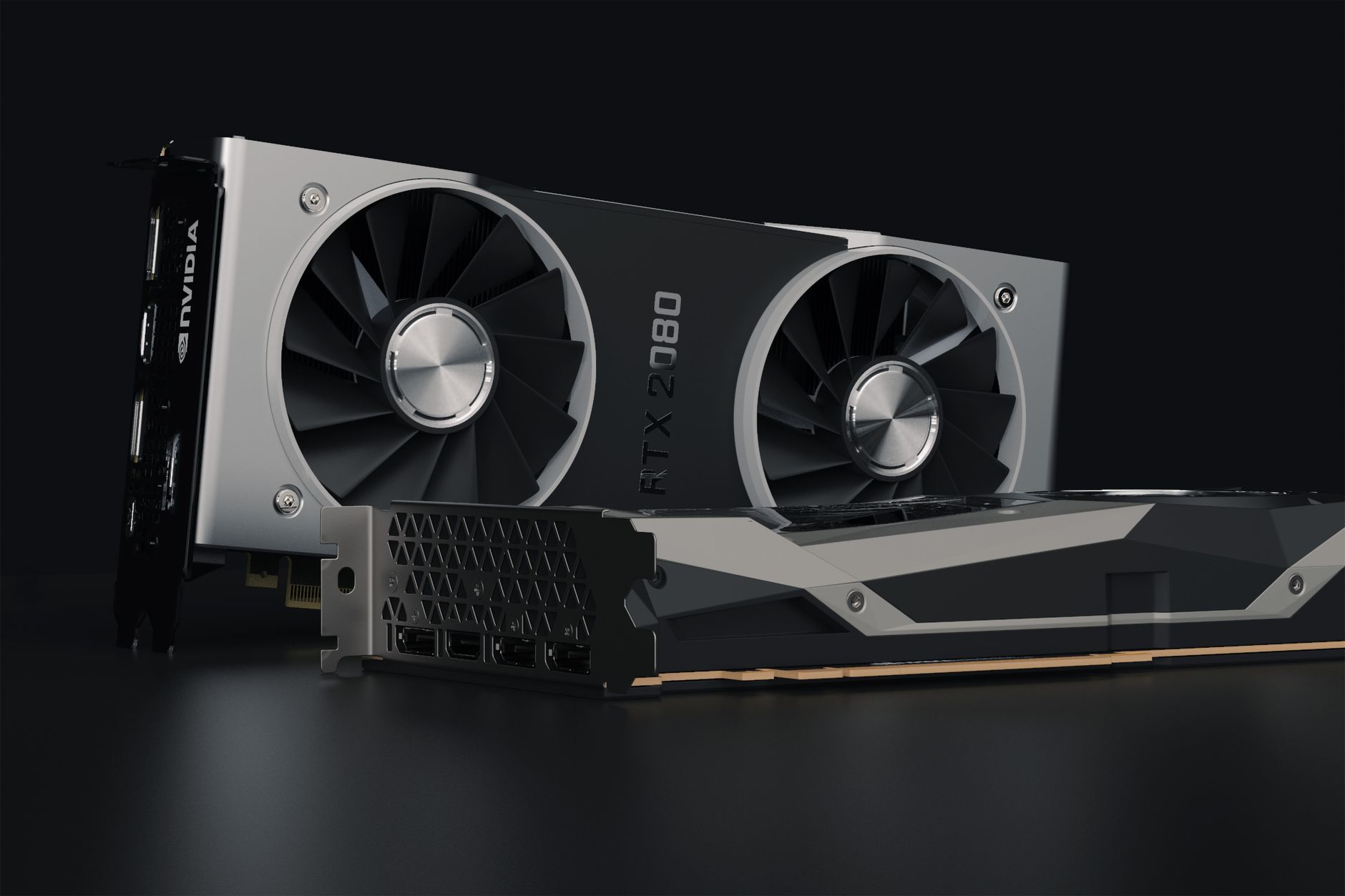
On Monday, CNBC’s “ETF Edge” featured investing specialists who warned that the fallout from Nvidia’s leadership shake‑up and a newly Democratic‑controlled Congress may redirect capital toward other AI‑related technology stocks. The discussion highlighted recent fund flows, earnings reports from smaller cloud firms, and projected data‑center slowdowns.
Key Takeaways
- Nvidia’s founder and CEO Jensen Huang resigned, prompting investors to consider alternative AI chip suppliers.
- Roundhill’s Magnificent Seven ETF (MAGS) ended the week with a gain of less than 1%, while the Roundhill Neocloud ETF (NCLD) rose just over 1% despite a 39% decline since its August 2026 launch.
- AMD and Broadcom each posted weekly gains close to 13% as market focus shifts to other chip makers.
- Yorkville Ives cut Nvidia’s price target to $225 from $300 but kept a buy rating; the stock closed the week at $162.85.
- Analysts estimate that a Democratic‑led Congress could curtail 10‑20% of planned data‑center capacity, increasing the value of existing compute resources.
| Metric | Value | Why it matters |
|---|---|---|
| CEO resignation | Jensen Huang stepped down | Triggers uncertainty over Nvidia’s chip supply chain |
| Nvidia share price | $162.85 | Reflects market reaction to leadership change |
| AMD weekly gain | ~13% | Signals investor rotation to rival chip makers |
| Nasdaq performance | Best week since August | AI‑related stocks drove broader market gains |
Why investors are looking beyond Nvidia
The abrupt resignation of Jensen Huang, Nvidia’s iconic founder and chief executive, created a credibility gap that could push AI‑focused buyers toward alternative chip suppliers. Roundhill Investments CEO Dave Mazza explained that if confidence in Nvidia erodes, “people can’t trust … Nvidia, they’re going to look for other sources for these chips because they need them.” This sentiment was voiced before Huang’s official departure was announced, underscoring how quickly market sentiment can shift.
ETF performance amid the turmoil
Roundhill’s Magnificent Seven ETF (MAGS), which tracks the so‑called “Big Tech” AI leaders, closed the week marginally in the green—gaining less than 1%. Its sibling, the Roundhill Neocloud ETF (NCLD), which concentrates on smaller, specialized cloud‑computing firms, posted a modest rise of just over 1% despite a cumulative 39% loss since its launch in August 2026. CoreWeave, a top holding in NCLD, enjoyed its best day since April 2025 following a strong quarterly report, while Nebius, another key component, fell after a disappointing earnings release.
Rising prospects for other chip makers
Dan Ives, senior managing director at Yorkville Ives, highlighted that AMD and Broadcom each recorded weekly gains near 13% as investors re‑evaluated the AI chip landscape. Ives, who helped create the Dan Ives Wedbush AI Revolution ETF, noted that “the market will remain optimistic about other AI chip players, like AMD and Alphabet, if Nvidia faces prolonged headwinds.” His outlook suggests a broader redistribution of capital across the semiconductor sector.
Potential impact of a Democratic‑controlled Congress on data‑center growth
The November 3 elections gave Democrats control of Congress, raising expectations of tighter scrutiny on data‑center expansion. Mazza warned that “the compute that does exist could become even more indispensable” if legislative action curtails new builds. Ives estimated that a “blue tidal wave” could shave off 10% of planned data‑center capacity at the low end and up to 15‑20% at the high end, yet he emphasized that demand still outpaces supply by a factor of four to one. This mismatch could elevate the value of existing compute resources, benefitting firms that already own large‑scale infrastructure.
Nvidia’s valuation and forward outlook
Yorkville Ives lowered its price target for Nvidia from $300 to $225 after Huang’s exit, but retained a buy rating. The stock finished the week at $162.85 per share. In an analyst note, Ives wrote,
“Nvidia remains the clear leader in GPU chips for the AI Revolution. They are roughly 2‑3 years ahead of the nearest competitor and the demand trajectory the next few years is not changing because Jensen is gone.”He added that the company’s valuation—approximately 10 times forward 2028 earnings per share—appears “way too cheap once Nvidia gets through this storm and emerges on the other side.”
Why it matters
Understanding the shifting dynamics in the AI trade helps investors allocate capital more effectively. A loss of confidence in Nvidia could accelerate funding for alternative chipmakers and cloud providers, while a potential slowdown in data‑center construction may increase the scarcity premium on existing compute capacity. Monitoring earnings from Nvidia’s interim CEO and CFO Colette Kress, as well as policy developments in Congress, will be crucial for gauging the next wave of AI‑related investment opportunities.
Frequently asked questions
Who announced the resignation of Nvidia’s CEO?
Nvidia’s founder and chief executive Jensen Huang stepped down, prompting an interim leadership arrangement with CFO Colette Kress.
What happened to the Roundhill Magnificent Seven ETF after the news?
The ETF ended the week with a gain of less than 1%, indicating modest resilience despite broader market volatility.
How are AMD and Broadcom performing in the current environment?
Both companies posted weekly gains close to 13%, reflecting investor interest in alternative AI chip suppliers.
What is the projected impact of a Democratic Congress on data‑center builds?
Analysts estimate that 10% to 20% of planned data‑center capacity could be delayed or canceled, increasing the value of existing compute resources.
What is Nvidia’s current stock price and analyst target?
Nvidia closed the week at $162.85 per share. Yorkville Ives lowered its price target to $225 from $300 but kept a buy rating.
Bottom Line
Nvidia’s leadership upheaval and the prospect of a more regulation‑heavy Congress are prompting investors to diversify away from the chip giant toward other AI‑focused technology firms, with ETFs like MAGS and NCLD showing mixed performance and rival chipmakers such as AMD gaining traction.
This is educational information, not personalized financial advice.
Reporting based on: original source.