U.S. crude oil slides to $85 a barrel as Middle East exports rebound
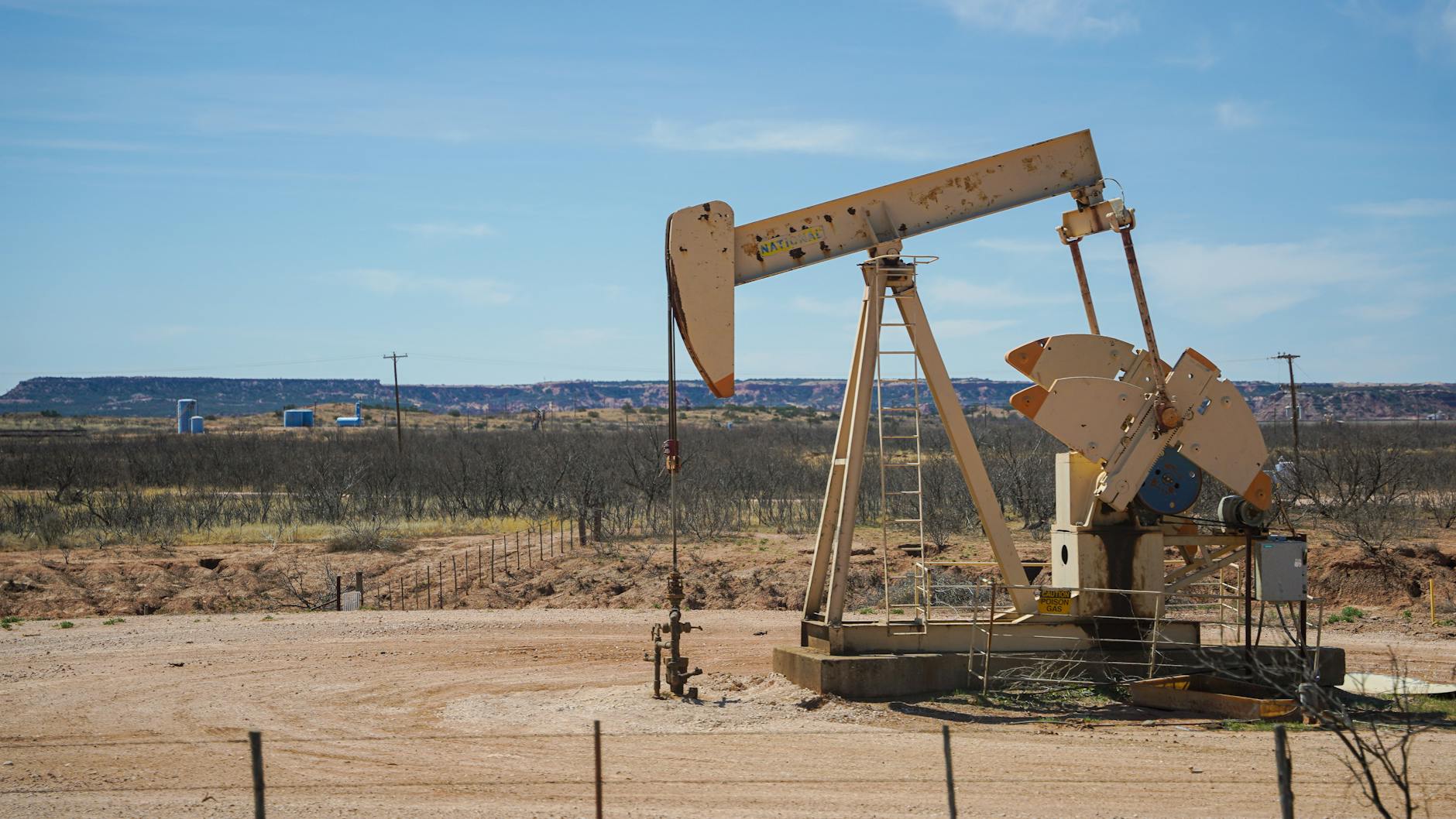
On Monday, Brent crude fell 3.55% to $92.44 per barrel and West Texas Intermediate (WTI) settled 3.58% lower at $85.39. The decline coincided with a pickup in shipments through the Strait of Hormuz and a continued stalemate in Iran‑U.S. tensions.
Key Takeaways
- Brent dropped to $92.44 a barrel and WTI to $85.39, each shedding more than 3.5%.
- The International Energy Agency (IEA) now expects global oil supply to outpace demand by over 1.7 million barrels per day in Q4 2026.
- Russia’s October output rose to 8.73 million barrels per day, a gain of 210,000 barrels.
- Goldman Sachs projects Brent averaging $88 in 2027 and sliding to $78 by December 2027 as surplus builds.
- Middle‑East producers are boosting supply through ship‑to‑ship transfers and new pipeline capacity.
| Metric | Value | Why it matters |
|---|---|---|
| Brent price (Monday) | $92.44 per barrel | Benchmark for global oil pricing; a drop signals lower revenue for producers. |
| WTI price (Monday) | $85.39 per barrel | Key U.S. reference price; influences domestic fuel costs. |
| IEA supply outlook (Q4 2026) | Excess of 1.7 million bpd | Indicates a shift from deficit to surplus, pressuring prices. |
| Russia October production | 8.73 million bpd (up 210,000 bpd) | Higher output adds to global supply, supporting the price decline. |
What triggered the Monday price drop?
The immediate catalyst was a noticeable recovery in oil shipments through the Strait of Hormuz, the narrow waterway that funnels roughly a fifth of the world’s petroleum trade. As vessels resumed a steadier flow, market participants reassessed the risk premium that had been inflating prices amid earlier threats of Iranian interference. At the same time, diplomatic friction between Iran and the United States remained unresolved, but the lack of new escalation kept the supply‑side narrative more optimistic than bearish.
IEA’s revised supply forecast
On Friday, the International Energy Agency (IEA) updated its outlook, projecting that global oil supply will exceed demand by more than 1.7 million barrels per day in the fourth quarter of 2026. This marks a reversal from its previous deficit estimate. The agency attributes the swing to a faster‑than‑expected rebound in Middle‑East exports, which are outpacing global demand growth even as maritime security incidents persist.
Russia’s production surge
According to the same IEA data, Russia lifted its crude output in October to 8.73 million barrels per day, a rise of 210,000 barrels from the prior month. The increase reinforces Russia’s role as a major swing‑producer capable of offsetting supply shocks elsewhere. Higher Russian output adds to the cumulative surplus that the IEA now expects to dominate the market by late 2026.
Goldman Sachs’ medium‑term price outlook
In a note released on Sunday, Goldman Sachs forecast that Brent crude will average $88 per barrel throughout 2027. The bank further predicts a decline to $78 per barrel by December 2027 as the market settles into a sustained surplus. The projection rests on the assumption that Middle‑East producers will continue to raise output above their 2025 average, leveraging ship‑to‑ship transfers and newly commissioned pipeline capacity to move oil more efficiently.
How the supply dynamics interact
The convergence of three forces—restored Hormuz traffic, Russian production growth, and a bullish Middle‑East export outlook—creates a clear supply‑heavy environment. When supply outstrips demand, prices typically recede, which aligns with the recent 3.5%‑plus drops in both Brent and WTI. The IEA’s surplus estimate and Goldman Sachs’ price targets both signal that the market may remain under pressure for the next several years, barring unforeseen geopolitical shocks.
Why it matters
For investors, the shift from a projected deficit to a surplus reshapes the risk‑reward calculus of energy‑related assets. Lower oil prices can compress margins for upstream producers while benefiting downstream sectors such as transportation and petrochemicals. Portfolio managers should watch the pace of Middle‑East export recovery, Russian output trends, and any change in Iran‑U.S. relations, as each could trigger a new pricing cycle.
Frequently asked questions
What caused Brent and WTI to fall on Monday?
The primary driver was the resurgence of oil shipments through the Strait of Hormuz, which reduced the perceived risk of supply disruption and led to a 3.55% drop in Brent and a 3.58% drop in WTI.
When does the IEA expect global oil supply to outpace demand?
The IEA projects that the surplus will materialize in the fourth quarter of 2026, with supply exceeding demand by more than 1.7 million barrels per day.
How much did Russia increase its production in October?
Russia’s crude output rose to 8.73 million barrels per day, an increase of 210,000 barrels per day from the previous month.
What are Goldman Sachs’ price expectations for Brent in 2027?
Goldman Sachs expects Brent to average $88 per barrel in 2027 and to fall to $78 per barrel by December 2027 as the market moves into surplus.
How are Middle‑East producers increasing supply?
They are employing ship‑to‑ship transfers and expanding pipeline capacity, which together are expected to lift supply above the 2025 average.
Bottom Line
The Monday slide in Brent and WTI prices reflects a broader transition toward a global oil surplus, driven by renewed Hormuz traffic, Russia’s production boost, and an accelerating Middle‑East export recovery. Analysts from the IEA and Goldman Sachs both anticipate lower price levels through 2027, suggesting that investors should prepare for a prolonged period of subdued oil valuations.
This is educational information, not personalized financial advice.
Reporting based on: original source.